Weight Loss After Gallbladder Removal – What to Expect and How to Manage It
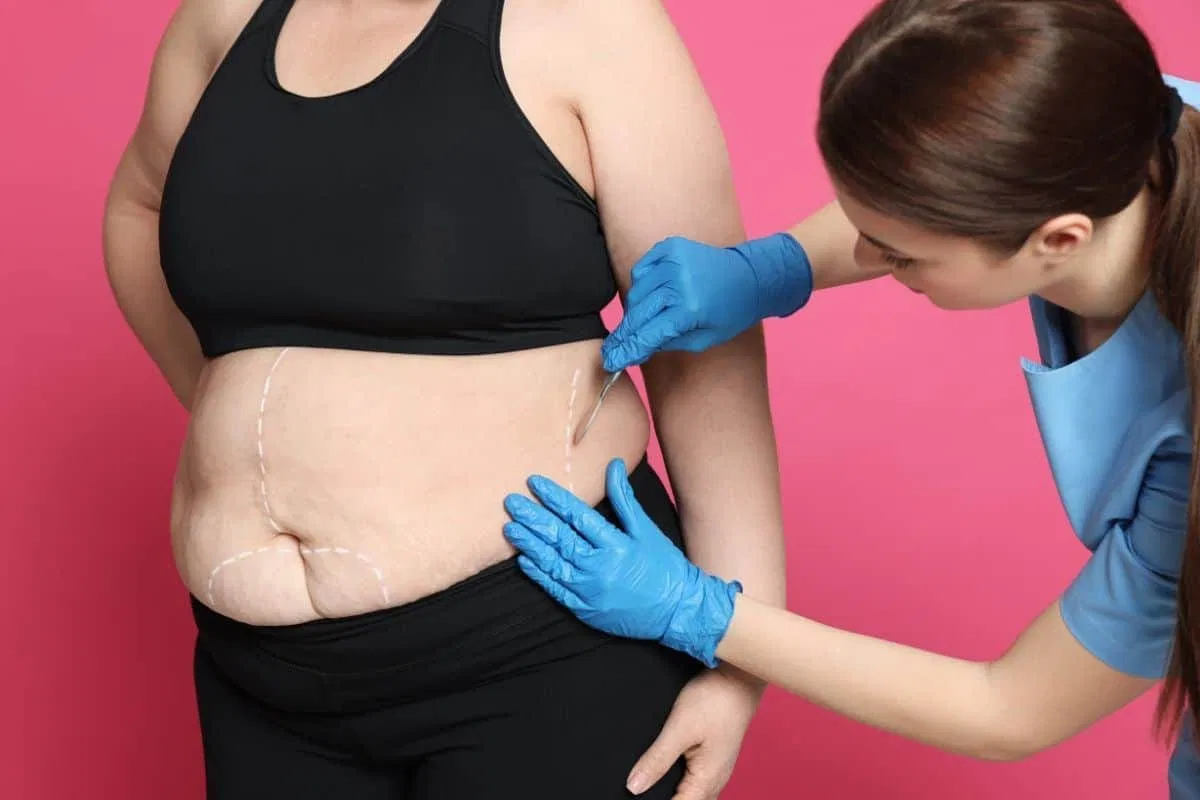
Gallbladder removal, also known as cholecystectomy, is one of the most common surgical procedures performed to treat painful gallstones and related complications. After surgery, many people notice changes in their digestion, eating habits, and body weight. Some experience temporary weight loss, while others may gain weight over time.
This often leads to an important question: Does gallbladder removal cause weight loss or weight gain?
The answer is that both can happen depending on how your body adapts after surgery. Understanding why these changes occur can help you manage your health more effectively and maintain a healthy weight in the long run.
In this guide, you’ll learn how gallbladder removal affects digestion, metabolism, and body weight, along with practical tips for healthy recovery.
What Does the Gallbladder Do?
The gallbladder is a small organ located beneath the liver. Its primary function is to store and concentrate bile, a digestive fluid produced by the liver.
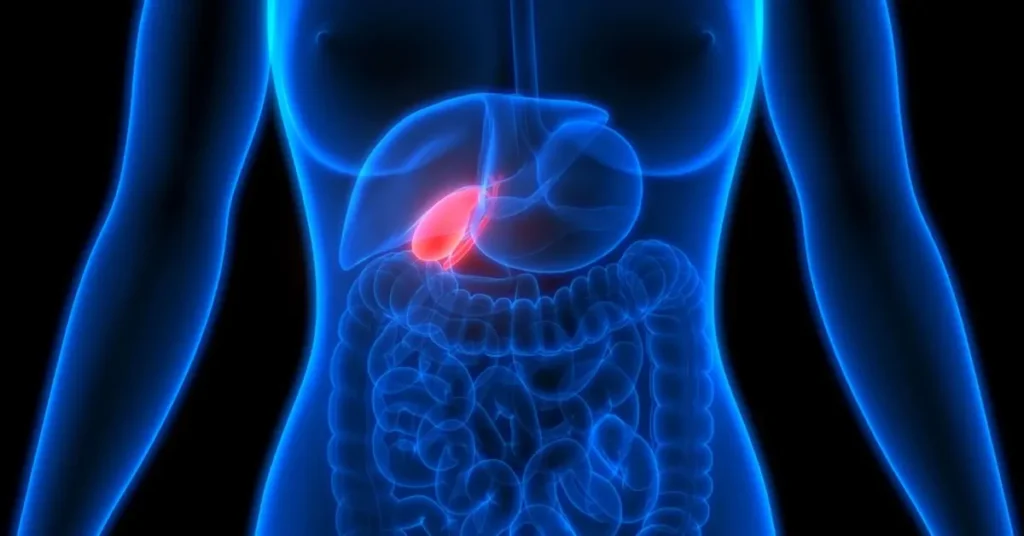
When you eat foods containing fat, the gallbladder releases bile into the small intestine. Bile helps break down fats so the body can absorb nutrients efficiently.
After gallbladder removal, bile is no longer stored. Instead, it flows continuously from the liver into the digestive tract. While the body can still digest fats, this change may temporarily affect digestion and eating habits.
Can Gallbladder Removal Cause Weight Loss?
Yes, many people lose weight shortly after gallbladder surgery. However, this weight loss is usually temporary and occurs during the recovery period.
Several factors contribute to weight loss after surgery:
Reduced Appetite
Following surgery, it is common to experience a reduced appetite. Pain, discomfort, and the effects of anesthesia may make eating less appealing for several days or weeks.
Low-Fat Recovery Diet
Doctors often recommend a low-fat diet immediately after surgery. Since high-fat foods may trigger digestive discomfort, many people naturally consume fewer calories.
Digestive Changes
Some individuals experience diarrhea, bloating, or mild stomach discomfort after gallbladder removal. These symptoms can temporarily reduce food intake and contribute to weight loss.
Smaller Meal Portions
Many patients find it easier to eat smaller meals throughout the day rather than large portions, resulting in reduced calorie consumption.
Why Some People Gain Weight After Gallbladder Removal
While some people lose weight initially, others notice gradual weight gain months after surgery.
Return to Previous Eating Habits
After recovery, many people return to their normal diet. If calorie intake increases while physical activity remains low, weight gain can occur.
Reduced Physical Activity
Recovery may temporarily limit exercise and daily movement. Less physical activity can make maintaining a healthy weight more difficult.
Comfort Eating
Some individuals rely on processed or high-calorie foods because they believe certain healthy foods trigger digestive discomfort. This can increase overall calorie intake.
Metabolic Adjustments
Although gallbladder removal does not directly slow metabolism, changes in digestion and nutrient absorption may influence body weight differently from person to person.
How Digestion Changes After Gallbladder Removal
Your digestive system continues to function without a gallbladder, but it may take time to adapt.
Short-Term Digestive Effects
Common digestive symptoms include:
- Bloating
- Gas
- Loose stools
- Mild abdominal discomfort
- Fat intolerance
These symptoms usually improve within a few weeks or months.
Long-Term Adaptation
Most people eventually return to normal digestion. The body learns to work with a steady flow of bile rather than relying on stored bile from the gallbladder.
Once digestion stabilizes, many individuals can enjoy a balanced diet with only minor adjustments.
Best Diet After Gallbladder Removal
Following a healthy diet can reduce digestive symptoms and support weight management.
Foods to Eat
Choose nutrient-rich foods such as:
- Fresh fruits
- Vegetables
- Whole grains
- Oatmeal
- Brown rice
- Lean chicken
- Fish
- Turkey
- Beans and legumes
- Low-fat dairy products
These foods are easier to digest and support overall health.
Foods to Limit or Avoid
Some foods may cause discomfort during recovery, including:
- Fried foods
- Fatty meats
- Fast food
- Full-fat dairy products
- Cream-based sauces
- Sugary snacks
- Highly processed foods
Avoiding these foods can help prevent bloating and digestive upset.
Weight Loss Timeline After Gallbladder Surgery
Week 1–2
The body is adjusting to surgery. Appetite may decrease, and temporary weight loss is common.
Month 1–3
Digestive symptoms gradually improve. Weight may fluctuate as eating patterns normalize.
Month 3–6
Most people adapt to the new digestive process. Weight typically stabilizes if healthy habits are maintained.
After 6 Months
Long-term weight management depends primarily on diet, exercise, and lifestyle choices rather than the absence of the gallbladder itself.
Tips for Healthy Weight Management
If your goal is to lose weight or maintain your current weight after surgery, consider these strategies:
Eat Smaller Meals
Smaller, more frequent meals are easier to digest and may reduce discomfort.
Increase Fiber Gradually
Fiber supports digestion and promotes fullness. Introduce fiber slowly to avoid gas and bloating.
Stay Hydrated
Drinking enough water supports digestion and overall health.
Exercise Regularly
Aim for at least 150 minutes of moderate physical activity each week. Walking, swimming, cycling, and yoga are excellent options.
Monitor Portion Sizes
Even healthy foods can contribute to weight gain when consumed in excessive amounts.
When Should You Contact a Doctor?
Although most people recover without complications, seek medical attention if you experience:
- Severe abdominal pain
- Persistent diarrhea
- Ongoing nausea or vomiting
- Fever
- Yellowing of the skin or eyes
- Rapid unexplained weight loss
- Sudden significant weight gain
These symptoms may indicate a complication or another digestive issue that requires evaluation.
FAQ’s About Weight Loss After Gallbladder Removal
1. How much weight can you lose after gallbladder removal?
Weight loss varies from person to person. Most people lose a small amount of weight during recovery due to reduced appetite and dietary changes.
2. Is weight gain common after gallbladder surgery?
Yes. Some people gain weight after recovery if they consume more calories than they burn or become less physically active.
3. Can I eat normal foods after gallbladder removal?
Most people can gradually return to a normal, balanced diet within a few weeks or months after surgery.
4. What foods should I avoid after gallbladder removal?
Fried foods, fatty meats, highly processed foods, and large high-fat meals may cause digestive discomfort and should be limited.
5. Does gallbladder removal permanently affect metabolism?
There is no strong evidence that gallbladder removal permanently slows metabolism. Long-term weight changes are usually influenced by diet, activity level, and overall lifestyle.
Conclusion
Weight changes after gallbladder removal are common and often temporary. Many people lose weight during the early recovery phase because of reduced appetite, dietary restrictions, and digestive adjustments. Others may experience gradual weight gain later if healthy eating and exercise habits are not maintained. The good news is that most individuals can live a normal, healthy life without a gallbladder. By following a balanced diet, staying physically active, and paying attention to digestive symptoms, you can successfully manage your weight and support long-term wellness after surgery. If you experience persistent digestive problems, rapid weight changes, or concerns about recovery, consult your healthcare provider for personalized guidance and treatment.