How to Lose Weight Without Loose Skin- Proven Tips for Healthy Fat Loss
Losing weight can improve your health, boost your confidence, and lower your risk of many chronic diseases. However, one concern that stops many people from starting their weight loss journey is the fear of loose skin. If you’re searching for ways to lose weight without loose skin, you’re not alone.
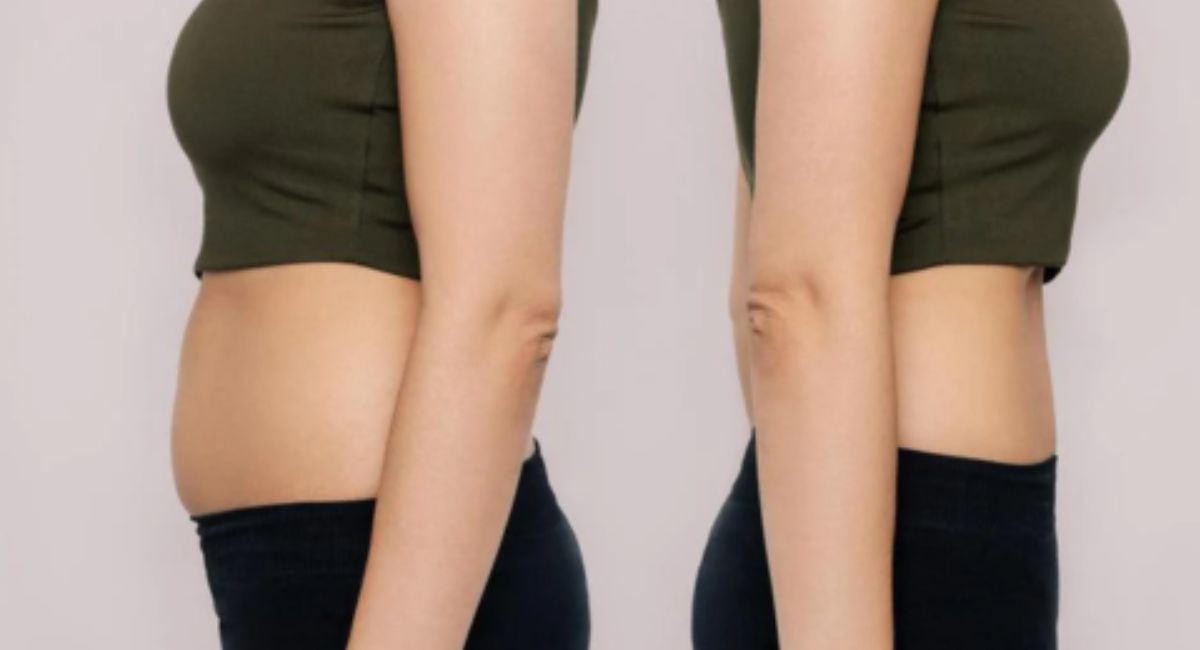
Loose skin often occurs after significant weight loss because the skin has been stretched for a long time and may not immediately adjust to your new body shape. While it may not always be possible to avoid loose skin completely, there are several proven ways to reduce the risk and help your skin stay as firm as possible during weight loss.
This guide explains why loose skin happens and how you can support your skin while losing fat in a healthy and sustainable way.
Learn how to lose weight without loose skin using proven strategies. Discover how gradual weight loss, strength training, nutrition, and hydration can help keep your skin firm and health
Why Does Loose Skin Happen After Weight Loss?
Your skin is the largest organ in your body. It contains collagen and elastin, two proteins responsible for keeping skin firm, flexible, and elastic.
When you gain weight, your skin stretches to accommodate the increased body fat. If you remain overweight for many years, the collagen and elastin fibers can weaken. Once the fat is lost, the skin may not fully return to its original shape, leading to sagging or loose skin.
Several factors influence whether you develop loose skin after weight loss, including:
- The amount of weight lost
- How quickly you lose weight
- Your age
- Genetics
- Smoking history
- Skin health and elasticity
Generally, the larger and faster the weight loss, the higher the likelihood of loose skin.
Lose Weight Gradually
One of the best ways to reduce the risk of loose skin is to lose weight slowly.
Health experts often recommend losing around 1–2 pounds (0.5–1 kilogram) per week. This gradual pace gives your skin more time to adapt to your changing body shape.
Rapid weight loss caused by crash diets or extreme calorie restriction can increase muscle loss and make loose skin more noticeable. Slow, steady progress is usually healthier and easier to maintain long term.
Build Muscle While Losing Fat
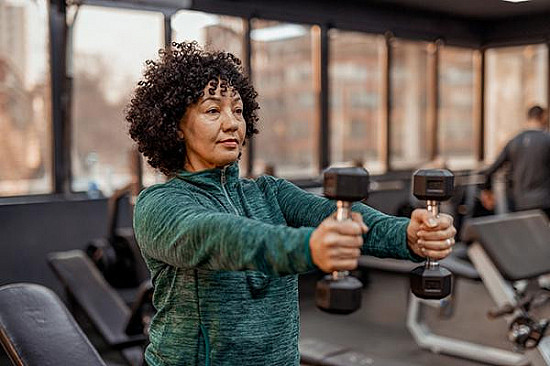
Many people focus only on cardio exercises when trying to lose weight. While cardio helps burn calories, strength training is equally important.
Resistance training helps preserve and build lean muscle mass. Muscle fills out some of the space left behind as fat decreases, helping create a firmer and more toned appearance.
Effective strength-training exercises include:
- Squats
- Lunges
- Deadlifts
- Push-ups
- Rows
- Shoulder presses
Aim to perform strength training at least two to four times per week. Building muscle not only improves body composition but also supports healthy metabolism during weight loss.
Eat Enough Protein
Protein is one of the most important nutrients for maintaining muscle and supporting skin health.
When losing weight, your body needs protein to preserve lean muscle tissue and repair cells. Protein also provides amino acids that contribute to collagen production.
Good protein sources include:
- Chicken breast
- Fish
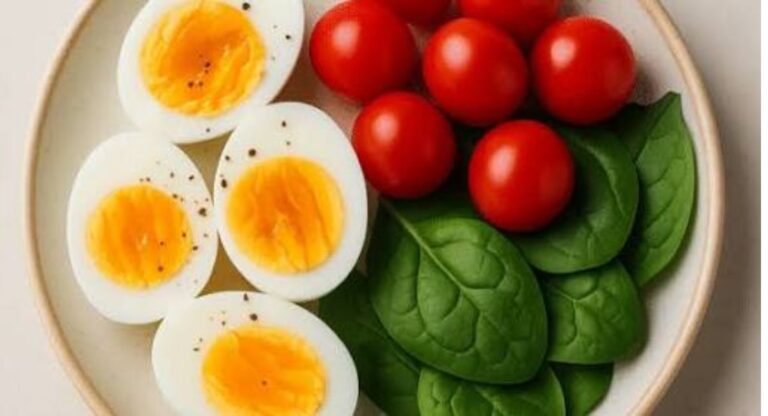
- Eggs
- Greek yogurt
- Cottage cheese
- Lentils
- Beans
- Tofu
- Lean beef
Support Collagen Production Naturally

Including a source of protein with each meal can help you stay full longer while supporting healthy weight loss and skin elasticity.
Collagen is the primary structural protein in your skin. As you age, collagen production naturally declines, making skin less elastic.
Although no food can completely prevent loose skin, certain nutrients help your body produce collagen more effectively.
Vitamin C
Vitamin C plays a key role in collagen synthesis.
Foods rich in vitamin C include:
- Oranges
- Strawberries
- Kiwi
- Bell peppers
- Broccoli
Zinc
Zinc supports skin repair and tissue maintenance.
Sources include:
- Pumpkin seeds
- Chickpeas
- Beef
- Shellfish
Healthy Fats
Omega-3 fatty acids help maintain skin hydration and flexibility.
Good sources include:
- Salmon
- Chia seeds
- Walnuts
- Flaxseeds
- Avocados
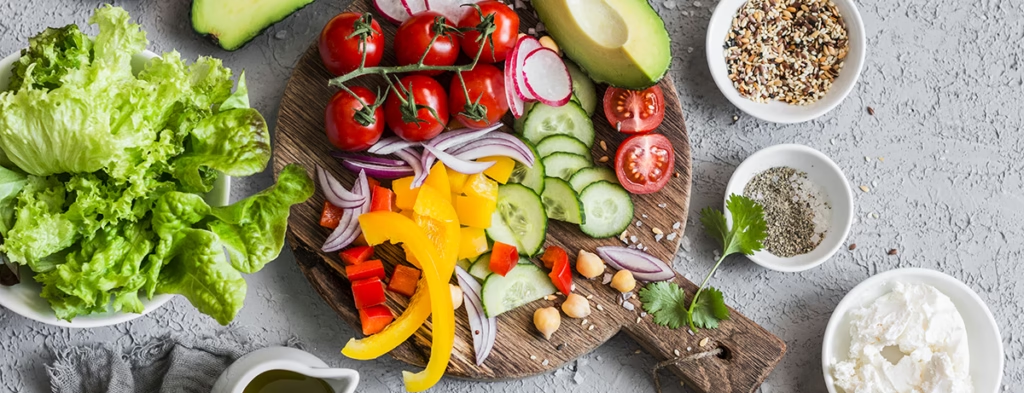
A balanced diet rich in these nutrients can help support your skin throughout your weight loss journey.
Stay Hydrated
Hydration is essential for overall health and may help your skin maintain its elasticity.
Drinking enough water supports:
- Healthy circulation
- Skin hydration
- Cellular function
- Exercise performance
While water alone will not prevent loose skin, dehydrated skin can appear less firm and more fragile.
Try to drink water consistently throughout the day and increase your fluid intake during exercise or hot weather.
Avoid Crash Diets and Fad Diets
Many people are tempted by diets that promise rapid weight loss. However, these approaches often cause muscle loss, nutrient deficiencies, and poor long-term results.
Crash diets can increase the likelihood of loose skin because the body loses weight faster than the skin can adjust.
Instead of looking for quick fixes, focus on sustainable habits such as:
- Balanced meals
- Portion control
- Regular exercise
- Adequate protein intake
- Consistent healthy choices
Long-term success comes from lifestyle changes, not temporary dieting methods.
Get Enough Sleep
Sleep plays an important role in weight management and skin health.
During sleep, your body repairs tissues, regulates hormones, and recovers from daily stress. Poor sleep may affect appetite control, recovery, and skin repair processes.
Most adults should aim for seven to nine hours of quality sleep each night.
To improve sleep quality:
- Maintain a regular sleep schedule
- Limit screen time before bed
- Keep your bedroom cool and dark
- Avoid large meals late at night
Healthy sleep habits support both fat loss and skin recovery.
Can Loose Skin Tighten Naturally?
In some cases, loose skin can improve over time.
People who lose a moderate amount of weight may notice gradual tightening as their skin adapts to their new body shape. This process can continue for several months or even a year after reaching a stable weight.
The likelihood of natural skin tightening depends on:
- Age
- Genetics
- Amount of weight lost
- Skin elasticity
- Lifestyle habits
Continuing healthy habits such as strength training, hydration, and proper nutrition can support this natural process.
When Medical Treatments May Help
If loose skin remains significant after major weight loss, some individuals explore professional treatments.
Non-Surgical Options
- Radiofrequency therapy
- Ultrasound skin tightening
- Microneedling
- Laser treatments
These treatments may improve skin firmness by stimulating collagen production.
Surgical Options
For severe cases involving large amounts of excess skin, surgical procedures such as tummy tucks or body contouring may be considered. A qualified healthcare professional can help determine the most appropriate option.
Frequently Asked Questions
1. Can You Lose Weight Without Getting Loose Skin?
Yes, losing weight gradually, building muscle through strength training, eating enough protein, and staying hydrated can significantly reduce the risk of loose skin. However, large weight losses may still result in some excess skin.
2. How Much Weight Loss Causes Loose Skin?
There is no exact number, but losing 50–100 pounds or more increases the likelihood of loose skin. Age, genetics, and how long you carried excess weight also play important roles.
3. Does Drinking Water Prevent Loose Skin?
Water helps maintain skin hydration and overall skin health, but it cannot completely prevent loose skin. However, staying hydrated may improve skin elasticity during weight loss.
4. Can Loose Skin Tighten Naturally After Weight Loss?
Mild to moderate loose skin may tighten naturally over several months or even a year after weight loss. Results vary depending on age, genetics, and skin elasticity.
5. Is Strength Training Better Than Cardio for Preventing Loose Skin?
Strength training is especially helpful because it preserves and builds muscle mass, which can create a firmer appearance. For the best results, combine strength training with cardio and a healthy diet.
Conclusion
Losing weight without loose skin is possible when you focus on steady, healthy habits. Aim for gradual fat loss, include strength training, eat enough protein, stay hydrated, and support skin health with a nutrient-rich diet. While loose skin cannot always be prevented, especially after major weight loss, giving your body time to adapt can help maintain firmer, healthier-looking skin and long-term results.