How Fast Do You Lose Weight on Zepbound? Timeline, Results, and What to Expect
Losing weight takes time, and many people starting Zepbound want to know when they’ll notice real changes. While some users see early progress within the first few weeks, the biggest results usually happen over several months. Zepbound works best when combined with healthy eating, regular exercise, and long-term lifestyle changes. This guide explains how fast you can lose weight on Zepbound, what clinical studies show, and what factors influence your results.
Learn how fast you lose weight on Zepbound, what affects your results, expected timeline, average weight loss, and tips to maximize success safely.
What Is Zepbound?
Zepbound is a prescription medication containing tirzepatide, which is approved for chronic weight management in adults who meet certain body weight or medical criteria.
It works by activating two natural hormone receptors:
- GLP-1
- GIP
These hormones help:
- Reduce appetite
- Increase feelings of fullness
- Slow stomach emptying
- Improve blood sugar regulation
- Reduce food cravings
Because of these effects, many people naturally consume fewer calories without constantly feeling hungry.
How Fast Do You Lose Weight on Zepbound?
Everyone responds differently, but many people begin noticing small changes within the first 2 to 4 weeks.
A typical timeline looks like this:
Weeks 1–4
During the first month:
- Appetite usually decreases.
- Cravings begin improving.
- Some people lose 2–6 pounds.
- Others may lose little while adjusting to the medication.
The initial dose is designed to help your body adapt rather than produce maximum weight loss.
Weeks 5–12
Weight loss often becomes more noticeable.
Many users experience:
- Better portion control
- Less emotional eating
- Increased energy
- Steady weekly weight loss
Average weight loss during this stage is often around 1 to 2 pounds per week, although individual results vary.
Months 3–6
This is when many people see significant progress.
With healthy habits, users often notice:
- Clothes fitting more comfortably
- Reduced waist size
- Improved mobility
- Better blood sugar control
- Lower blood pressure in some individuals
Weight loss tends to become more consistent as the medication dose increases.
After One Year
Clinical studies show many people lose a substantial percentage of their starting body weight after approximately 72 weeks of treatment.
Some individuals lose:
- 15% of body weight
- 20% or more
- Even higher amounts in certain cases when combined with lifestyle changes
What Do Clinical Studies Show?

Research has demonstrated impressive results with Zepbound.
Depending on the prescribed dose and individual response, participants achieved significant weight loss over long-term treatment.
Many people lost:
- More than 15% of their body weight
- Around 20% on higher maintenance doses
- Greater results than with many previous weight-loss medications
It’s important to remember that these averages represent study participants following medical guidance over many months.
Factors That Affect How Fast You Lose Weight
Several factors influence your results.
Starting Weight
People with a higher starting weight may lose more pounds initially.
However, healthcare professionals often measure success using the percentage of body weight lost rather than the total number of pounds.
Diet
Zepbound works best when paired with nutritious eating habits.
Focus on:
- Lean protein
- Vegetables
- Fruits
- Whole grains
- Healthy fats
Limiting sugary drinks and highly processed foods can improve progress.
Physical Activity
Exercise supports fat loss while helping preserve muscle.
Aim for:
- Walking
- Strength training
- Cycling
- Swimming
- Moderate weekly activity
Regular movement also improves heart health and overall fitness.
Sleep
Poor sleep increases hunger hormones and food cravings.
Adults should aim for 7–9 hours of quality sleep each night.
Stress Levels
Chronic stress can make healthy eating more difficult.
Helpful stress-management strategies include:
- Meditation
- Deep breathing
- Yoga
- Journaling
- Spending time outdoors
Medication Adherence
Taking Zepbound exactly as prescribed helps maintain steady medication levels.
Avoid skipping doses unless instructed by your healthcare provider.
How Much Weight Can You Lose on Zepbound?
Results vary considerably.
Some people lose:
- 10 pounds
- 25 pounds
- 50 pounds
- More than 100 pounds
Your outcome depends on:
- Starting weight
- Medication dose
- Lifestyle habits
- Medical conditions
- Treatment duration
Long-term consistency matters far more than rapid early weight loss.
Why Weight Loss May Slow Down
Many people experience a weight-loss plateau after several months.
Possible reasons include:
- The body adapting
- Reduced calorie deficit
- Less physical activity
- Increased calorie intake
- Missed medication doses
Plateaus are common and do not necessarily mean the medication has stopped working.
Tips to Maximize Weight Loss on Zepbound
Eat More Protein
Protein helps maintain muscle while increasing fullness.
Good options include:
- Chicken
- Fish
- Eggs
- Greek yogurt
- Beans
- Cottage cheese
Drink Plenty of Water
Hydration supports digestion and may help control appetite.
Water is generally the best choice over sugary beverages.
Strength Train Regularly
Building muscle helps increase calorie burning and supports long-term weight management.
Aim for at least two strength-training sessions each week.
Track Your Progress
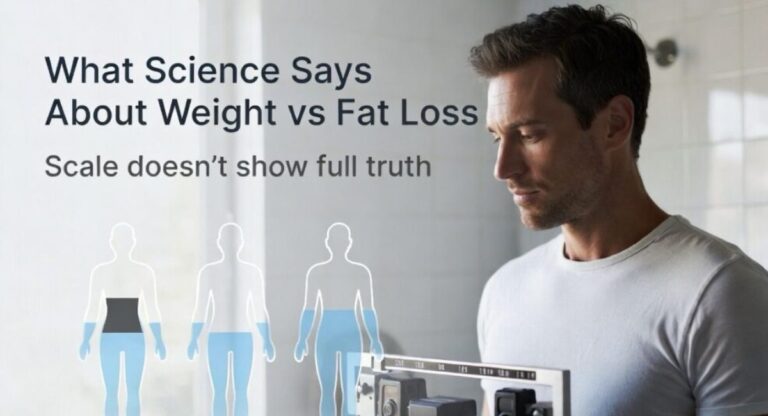
Instead of relying only on the scale, monitor:
- Waist measurements
- Progress photos
- Energy levels
- Fitness improvements
- Clothing fit
These changes often appear before major scale differences.
Follow Up With Your Healthcare Provider
Regular appointments help monitor:
- Side effects
- Medication adjustments
- Overall progress
- Nutrition goals
Professional guidance can improve long-term success.
Possible Side Effects
Like many medications, Zepbound may cause side effects.
Common ones include:
- Nausea
- Vomiting
- Diarrhea
- Constipation
- Stomach discomfort
- Reduced appetite
These symptoms often improve as your body adjusts.
Seek medical attention immediately if you experience severe abdominal pain, persistent vomiting, signs of an allergic reaction, or other serious symptoms.
Is Fast Weight Loss Safe?
Rapid weight loss isn’t always better.
Experts generally recommend gradual, sustainable weight loss because it is more likely to be maintained and may reduce the risk of muscle loss and nutritional deficiencies.
Zepbound is intended to support healthy, long-term weight management—not crash dieting.
Frequently Asked Questions
1.How soon does Zepbound start working?
The medication begins working after your first dose, but noticeable weight loss usually appears within 2–4 weeks.
2.How much weight can I lose in one month?
Many people lose between 2 and 8 pounds during the first month, although results vary.
3.Can I lose 50 pounds on Zepbound?
Some individuals do lose 50 pounds or more, especially with long-term treatment, healthy eating, and regular exercise.
4.What happens if my weight loss stops?
A plateau is common. Your healthcare provider may review your eating habits, activity level, and medication plan.
5.Do I need to exercise while taking Zepbound?
Exercise isn’t mandatory for the medication to work, but combining it with physical activity generally leads to better health outcomes and greater weight loss.
Final Verdict
Most people begin noticing weight loss within the first month of using Zepbound, while more significant changes usually develop over several months. Clinical studies show that consistent use, combined with healthy eating, regular exercise, and medical supervision, can lead to substantial long-term weight loss. Staying patient and following your treatment plan gives you the best chance of achieving lasting results.