How Much Protein Do You Need to Lose Weight?
Many people focus only on eating less when trying to lose weight, but getting enough protein can make the process much easier and more effective. Research shows that a high-protein diet can reduce cravings, increase feelings of fullness, and help preserve lean muscle mass while you’re losing body fat. It can also slightly boost your metabolism because your body uses more energy to digest protein compared to fats and carbohydrates. Whether your goal is to lose a few pounds or make a long-term lifestyle change, understanding your protein needs is one of the most important steps toward achieving sustainable weight loss.
Learn how much protein you need to lose weight, preserve muscle, reduce hunger, and support fat loss with science-backed recommendations.
Why Protein Is Important for Weight Loss
Protein is one of the three main macronutrients, alongside carbohydrates and fats. Unlike carbs and fats, protein has unique benefits that make it especially valuable during weight loss.
Protein Helps You Feel Full Longer
Protein is highly satisfying and can help reduce hunger throughout the day. High-protein meals often lead to lower calorie intake because they keep you feeling full for longer periods.
Protein Preserves Muscle Mass
When you lose weight, your body can lose both fat and muscle. Eating enough protein helps protect lean muscle mass while encouraging fat loss.
Protein Boosts Metabolism
Your body uses energy to digest food. This process is called the thermic effect of food (TEF). Protein requires more energy to digest than carbohydrates or fats, which slightly increases calorie expenditure.
Protein Supports Exercise Performance
If you’re exercising to lose weight, protein helps your muscles recover and adapt to training. This can improve overall fitness and body composition.
How Much Protein Do You Need to Lose Weight?

There is no single protein recommendation that works for everyone.
For general health, adults typically need about:
0.8 grams of protein per kilogram of body weight per day
However, research suggests that people trying to lose weight often benefit from higher protein intake.
Recommended Protein Intake for Weight Loss
Most experts recommend:
1.2–2.0 grams of protein per kilogram of body weight per day
This range helps support fat loss while preserving muscle mass.
Quick Protein Intake Chart
| Body Weight | Daily Protein Rang |
| 60 kg (132 lbs) | 72–120 g |
| 70 kg (154 lbs) | 84–140 g |
| 80 kg (176 lbs) | 96–160 g |
| 90 kg (198 lbs) | 108–180 g |
| 100 kg (220 lbs) | 120–200 g |
Your ideal target within this range depends on your activity level and goals.
How to Calculate Your Protein Needs
Calculating your protein requirement is simple.
1: Find Your Weight in Kilograms
If you know your weight in pounds:
Weight in kg = Weight in pounds ÷ 2.2
2: Choose a Protein Target
- Sedentary weight loss: 1.2–1.4 g/kg
- Moderate exercise: 1.4–1.6 g/kg
- Regular strength training: 1.6–2.0 g/kg
Example Calculation
A person weighing 75 kg who exercises regularly:
75 × 1.6 = 120 grams of protein daily
This amount can help support fat loss while maintaining muscle.
Does Eating More Protein Help You Lose Weight Faster?

Increasing protein intake can support weight loss, but it is not a magic solution.
Weight loss still requires a calorie deficit, meaning you consume fewer calories than your body burns.
Benefits of Higher Protein Intake
A higher-protein diet may:
- Reduce cravings
- Increase feelings of fullness
- Preserve lean muscle mass
- Support recovery from exercise
- Improve body composition
However, consuming excessive protein without managing overall calories will not automatically lead to weight loss.
Best Protein Sources for Weight Loss
Choosing high-quality protein sources can help you meet your goals while maintaining a balanced diet.
Animal-Based Protein Sources
- Chicken breast
- Turkey
- Lean beef
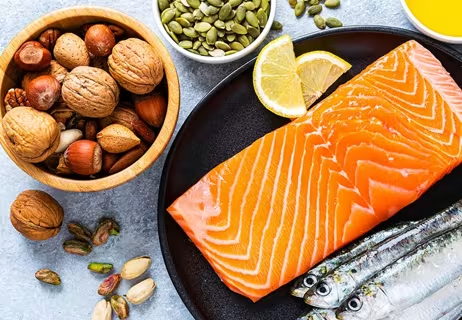
- Fish
- Eggs
- Greek yogurt
- Cottage cheese
- Low-fat dairy products
Plant-Based Protein Sources
- Lentils
- Chickpeas
- Black beans
- Tofu
- Tempeh
- Edamame
- Quinoa
- Hemp seeds
- Chia seeds
Protein Supplements
Protein powders can be convenient if you struggle to meet your daily protein target through food alone.
Common options include:
- Whey protein
- Casein protein
- Soy protein
- Pea protein
- Rice protein
Supplements should complement a healthy diet rather than replace whole foods.
When Should You Eat Protein for Weight Loss?
Total daily protein intake is most important, but spreading protein throughout the day may provide additional benefits.
Aim for Protein at Every Meal
Instead of consuming most of your protein at dinner, try distributing it evenly.
Example:
- Breakfast: 25–30 g
- Lunch: 25–35 g
- Dinner: 25–35 g
- Snacks: 10–20 g
This approach may help control hunger and support muscle maintenance.
Post-Workout Protein
After exercise, protein helps repair and rebuild muscle tissue. A protein-rich meal or snack within a few hours of training is generally sufficient.
Can You Eat Too Much Protein?
For most healthy adults, high-protein diets are considered safe when consumed as part of a balanced eating plan.
However, extremely high protein intake may not provide additional weight-loss benefits.
Potential Concerns
In some cases, excessive protein intake may:
- Reduce dietary variety
- Increase calorie intake
- Cause digestive discomfort in some individuals
People with certain kidney conditions or medical concerns should consult a healthcare professional before significantly increasing protein intake.
Common Protein Mistakes That Can Slow Weight Loss
Many people increase protein intake but still struggle to lose weight.
Relying on Processed Protein Foods
Protein bars and shakes can be useful, but whole foods often provide better nutrition and satiety.
Ignoring Total Calories
Even healthy protein-rich foods contain calories. Portion control still matters.
Skipping Strength Training
Protein works best when combined with resistance exercise to help preserve muscle during weight loss.
Eating Too Little Protein
Very low protein intake may increase hunger and lead to muscle loss during dieting.
Sample High-Protein Day for Weight Loss
Here’s an example of how someone might reach approximately 120 grams of protein.
Breakfast
Greek yogurt with berries and nuts
Protein: 25 g
Lunch
Grilled chicken salad with vegetables
Protein: 35 g
Snack
Protein shake
Protein: 25 g
Dinner
Salmon, brown rice, and vegetables
Protein: 35 g
Total: 120 grams of protein
Frequently Asked Questions
1.Is 100 Grams of Protein Enough for Weight Loss?
For many adults, 100 grams can support weight loss. Whether it is enough depends on your body weight and activity level.
2.Do You Need Protein Shakes to Lose Weight?
No. Whole food protein sources can provide everything you need. Protein shakes are simply a convenient option.
3.Can Protein Help Reduce Belly Fat?
Protein does not specifically target belly fat. However, it can support overall fat loss when combined with a calorie-controlled diet and regular exercise.
4.Should Women Eat More Protein for Weight Loss?
Women can benefit from higher protein intake during weight loss, especially when aiming to preserve muscle and manage hunger.
Final Thoughts
Getting enough protein can make weight loss easier by controlling hunger, preserving muscle, and supporting fat loss. Most people benefit from consuming 1.2–2.0 grams of protein per kilogram of body weight each day. However, lasting results come from combining adequate protein intake with a balanced diet, regular exercise, quality sleep, and a sustainable calorie deficit for long-term success.