When You Lose Weight, Do Your Boobs Get Smaller?
Many people notice changes in their breasts after losing weight and wonder if a smaller number on the scale also means a smaller bra size. The answer depends on several factors, including how much weight you lose, your body fat distribution, age, and genetics. Since breasts contain both fatty and glandular tissue, weight loss can reduce breast size for many women, but the extent of the change varies from person to person.
Wondering if your boobs get smaller when you lose weight? Learn why breast size changes, what affects it, and how to preserve breast shape.
Weight Loss Can Make Your Boobs Smaller
For many people, losing weight reduces the amount of fat stored throughout the body—including the breasts.
However, breast size doesn’t decrease at the same rate for everyone.
Some people lose an entire cup size after losing 20–30 pounds, while others notice almost no change. Every body stores and burns fat differently.
The amount of change depends on:
- Your current breast composition
- Your genetics
- Your age
- Hormone levels
- How much weight you lose
- How quickly you lose weight
If your breasts contain a higher percentage of fat, they’re more likely to shrink during weight loss.
Why Do Breasts Get Smaller After Weight Loss?
Understanding breast anatomy helps explain why size changes happen.
Breasts are made up of:
- Fat tissue
- Milk-producing glandular tissue
- Connective tissue
- Blood vessels
- Ligaments
- Skin
Only the fat tissue decreases during weight loss.
The glandular tissue remains mostly unchanged unless affected by pregnancy, breastfeeding, menopause, or hormonal conditions.
This means people with naturally fatty breasts usually notice larger changes than those with denser breast tissue.
What Determines Whether Your Breasts Shrink?
Several factors influence how much breast size changes.
Genetics
Your genes determine:
- Where your body stores fat
- Where you lose fat first
- Breast composition
- Skin elasticity
Some people naturally lose breast fat early during weight loss, while others lose fat from the stomach, hips, or thighs first.
Body Fat Percentage
People with higher body fat percentages usually experience greater breast size reduction because more breast tissue consists of fat.
Leaner individuals often notice smaller changes.
Age
As people age, breast tissue naturally becomes fattier and less dense.
Older adults may notice more significant breast changes during weight loss.
Hormones
Hormones such as estrogen and progesterone affect breast size.
Hormonal fluctuations during:
- Menstrual cycles
- Pregnancy
- Breastfeeding
- Menopause
can also change breast volume independently of weight loss.
Amount of Weight Lost
Losing five pounds may not noticeably affect breast size.
Losing 30, 50, or more pounds often leads to more visible changes.
How Much Smaller Will Your Boobs Get?
There’s no universal answer.
Some people lose:
- Half a cup size
- One cup size
- Multiple cup sizes
Others maintain nearly the same breast size despite significant weight loss.
Every body distributes fat differently.
Do You Lose Breast Fat First?
Not necessarily.
The body decides where fat comes off based largely on genetics.
You cannot choose where your body burns fat first.
Some people notice:
- Smaller breasts first
- Smaller waist first
- Slimmer face first
- Smaller hips first
This process is completely individual.
Can You Prevent Your Breasts From Getting Smaller?
Unfortunately, you cannot specifically prevent breast fat loss while losing weight.
Spot reduction isn’t possible.
However, you can preserve breast appearance by following healthy weight-loss habits.
Lose Weight Gradually
Aim to lose:
- 1–2 pounds per week
Slow weight loss helps maintain skin elasticity and muscle.
Build Chest Muscles
While exercise won’t increase breast tissue, strengthening the chest muscles underneath can improve overall appearance.
Helpful exercises include:
- Push-ups
- Chest presses
- Dumbbell flyes
- Incline push-ups
- Resistance band chest exercises
Stronger pectoral muscles may create a firmer, more lifted look.
Eat Enough Protein
Protein supports:
- Muscle maintenance
- Skin health
- Recovery
- Collagen production
Good protein sources include:
- Chicken
- Fish
- Eggs
- Greek yogurt
- Lentils
- Beans
- Tofu
Stay Hydrated
Proper hydration helps keep skin healthier and more elastic.
Drink water consistently throughout the day.
Avoid Crash Diets
Rapid weight loss often causes:
- Greater muscle loss
- Loose skin
- Reduced skin elasticity
A balanced diet produces healthier, longer-lasting results.
Can Exercise Make Your Boobs Smaller?
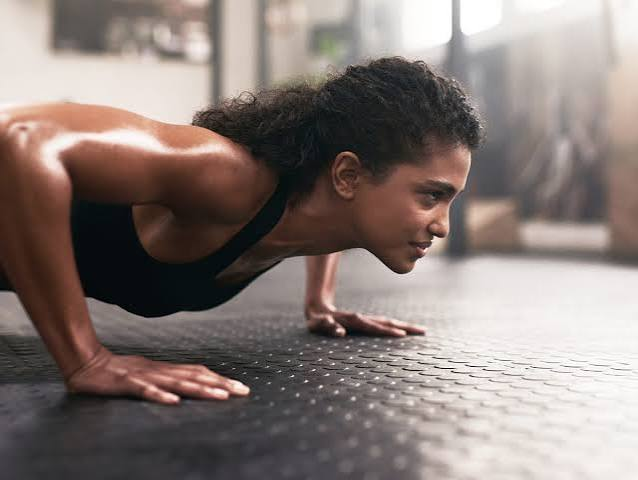
Exercise itself doesn’t directly reduce breast tissue
However, exercise helps burn body fat.
If your breasts contain significant fat, regular cardio combined with strength training may reduce breast size over time.
Effective fat-loss exercises include:
- Walking
- Running
- Cycling
- Swimming
- HIIT workouts
- Strength training
Will Your Breasts Become Saggy After Weight Loss?
Sometimes.
Losing a large amount of weight can leave extra skin because the breast volume decreases faster than the skin can tighten.
Risk factors include:
- Rapid weight loss
- Aging
- Smoking
- Poor skin elasticity
- Pregnancy history
- Significant obesity
Not everyone experiences sagging.
Tips to Help Maintain Breast Shape
Although you can’t completely prevent changes, these habits may help.
Wear a Supportive Bra
A properly fitted bra supports breast tissue during daily activities and exercise.
Strength Train Regularly
Building upper-body muscles improves posture and chest definition.
Eat a Balanced Diet
Include foods rich in:
- Vitamin C
- Vitamin E
- Healthy fats
- Protein
- Zinc
These nutrients support healthy skin.
Maintain a Stable Weight
Frequent cycles of losing and regaining weight can reduce skin elasticity over time.
Aim for sustainable weight management instead of repeated crash diets.
Can You Increase Breast Size Again Naturally?
If breast size decreases because of fat loss, gaining weight may increase breast fat again.
However, targeted exercises, creams, or supplements cannot specifically increase breast tissue.
Strength training can improve the appearance of the chest but won’t restore lost breast fat.
Does Breast Density Matter?
Yes.
People with denser breasts have more glandular tissue and less fat.
Because glandular tissue doesn’t shrink with normal weight loss, dense breasts often change less in size.
People with fattier breasts generally experience more noticeable reductions.
Should You Worry If Your Breasts Get Smaller?
Usually not.
Breast size changes are a normal part of weight loss.
If the change happens alongside healthy eating and exercise, it’s generally expected.
However, consult a healthcare professional if you notice:
- A lump
- Persistent breast pain
- Nipple discharge
- Sudden changes affecting only one breast
- Skin dimpling or unusual swelling
These symptoms should always be evaluated promptly.
Healthy Weight Loss Is More Important Than Breast Size
While many people worry about losing breast volume, improving your overall health offers far greater benefits.
Healthy weight loss can lower your risk of:
- Type 2 diabetes
- Heart disease
- High blood pressure
- Sleep apnea
- Joint pain
Focus on building lifelong habits rather than trying to preserve fat in one specific body area.
Frequently Asked Questions
1.Do boobs always get smaller when you lose weight?
No. Many people notice smaller breasts, but the amount of change depends on genetics, body fat percentage, hormones, and breast composition.
2.Can you lose weight without losing breast size?
It’s possible, but not guaranteed. Since you can’t choose where your body loses fat, some breast size reduction may occur if your breasts contain more fatty tissue.
3.How much weight loss causes smaller breasts?
There’s no exact number. Some people notice changes after losing 10–15 pounds, while others see little difference even after larger weight loss.
4.Can chest exercises keep breasts from shrinking?
No. Chest exercises strengthen the muscles beneath the breasts, improving shape and firmness, but they don’t prevent fat loss in the breasts.
5.Will my breasts go back to their original size?
Only if body fat increases again. Exercise alone cannot restore lost breast fat, though muscle development may enhance appearance.
Final Thoughts
So, when you lose weight, do your boobs get smaller? In many cases, yes. Because breasts contain fat tissue, losing body fat often reduces breast size. However, every person is different. Genetics, hormones, breast density, age, and the amount of weight you lose all influence the changes you’ll see. The healthiest approach is to lose weight gradually, eat a nutrient-rich diet, build strength, and focus on overall well-being rather than changes in one body area.