Can Diarrhea Make You Lose Weight? Causes, Risks, and What You Should Know
Can Diarrhea Make You Lose Weight?
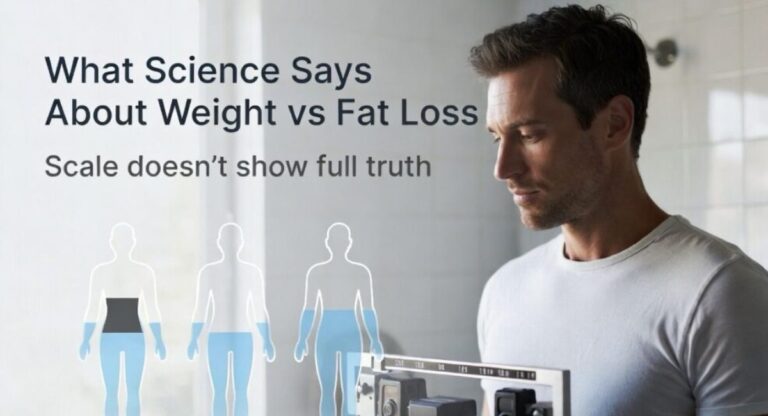
Yes, diarrhea can make you lose weight, but the weight loss is usually temporary and mainly caused by water loss, not fat loss. During diarrhea, your body loses fluids, electrolytes, and undigested food more quickly than normal. This can make the number on the scale drop, but it does not mean you’ve burned body fat.
If diarrhea lasts only a day or two, your weight will likely return to normal after you rehydrate and eat normally again. However, long-lasting or chronic diarrhea can lead to real weight loss because your body may not absorb enough nutrients and calories.
Understanding the difference between temporary water weight and actual fat loss is important for your health.
Can diarrhea make you lose weight? Learn why weight loss from diarrhea is usually temporary, when it’s serious, and how to recover safely.
Quick Answer
If you’re wondering, “Can diarrhea make you lose weight?”, here’s the short answer:
- Yes, diarrhea can cause weight loss.
- Most of the initial weight loss is water.
- It does not help you lose body fat.
- Chronic diarrhea can lead to unhealthy weight loss due to poor nutrient absorption.
- Persistent diarrhea should be evaluated by a healthcare provider.
Why Does Diarrhea Cause Weight Loss?
Several factors contribute to weight loss during diarrhea.
1. Water Loss
The biggest reason is dehydration.
Loose stools contain large amounts of water. When your body loses more water than it takes in, your body weight decreases quickly.
For example:
- One liter of water weighs about one kilogram (2.2 pounds).
- Losing several liters through diarrhea can noticeably reduce your weight.
This weight usually comes back after proper hydration.
2. Loss of Glycogen
Your body stores carbohydrates as glycogen.
Each gram of glycogen stores approximately three grams of water. During illness, reduced food intake causes glycogen stores to decrease, leading to additional water loss.
Again, this is not fat loss.
3. Reduced Food Intake
People with diarrhea often experience:
- Loss of appetite
- Nausea
- Stomach cramps
- Vomiting
Eating less means consuming fewer calories, which may contribute to short-term weight loss.
4. Poor Nutrient Absorption
When diarrhea moves food too quickly through the intestines, your body has less time to absorb:
- Protein
- Fat
- Carbohydrates
- Vitamins
- Minerals
If diarrhea continues for weeks, this poor absorption can cause genuine weight loss.
Is Weight Loss From Diarrhea Fat Loss?

No.
This is one of the biggest misconceptions.
Most weight lost during diarrhea comes from:
- Water
- Electrolytes
- Glycogen stores
- Undigested food
Your body burns very little body fat during a short episode of diarrhea.
Real fat loss occurs when you consistently burn more calories than you consume over weeks or months.
How Much Weight Can You Lose From Diarrhea?
The amount varies depending on:
- Duration of diarrhea
- Severity
- Fluid intake
- Body size
- Overall health
Some people may lose:
| Duration | Possible Weight Loss |
| 1 day | 1–3 pounds (mostly water) |
| 2–3 days | 2–6 pounds |
| Longer illness | More significant loss if dehydration and poor nutrition continue |
Most of this weight returns after proper hydration.
Can Chronic Diarrhea Cause Real Weight Loss?
Yes.
Chronic diarrhea lasts more than four weeks and can cause genuine weight loss.
Long-term diarrhea may prevent your body from absorbing enough nutrients.
Possible consequences include:
- Fat loss
- Muscle loss
- Vitamin deficiencies
- Protein deficiency
- Fatigue
- Weakness
This type of weight loss requires medical evaluation.
Conditions That Cause Diarrhea and Weight Loss
Several medical conditions can cause both symptoms.
Irritable Bowel Syndrome (IBS)
IBS can cause:
- Frequent diarrhea
- Abdominal pain
- Bloating
Weight loss is less common and may suggest another condition.
Inflammatory Bowel Disease (IBD)
Crohn’s disease and ulcerative colitis can lead to:
- Chronic diarrhea
- Blood in stool
- Weight loss
- Malnutrition
Celiac Disease
People with celiac disease cannot properly absorb nutrients after eating gluten.
Symptoms include:
- Chronic diarrhea
- Weight loss
- Fatigue
- Nutrient deficiencies
Gastrointestinal Infections
Viruses, bacteria, and parasites commonly cause:
- Sudden diarrhea
- Vomiting
- Fever
- Temporary weight loss
Hyperthyroidism
An overactive thyroid speeds up metabolism and may cause:
- Frequent bowel movements
- Diarrhea
- Weight loss
- Rapid heartbeat
Pancreatic Disorders
The pancreas helps digest fats.
Problems affecting the pancreas may cause:
- Oily stools
- Chronic diarrhea
- Weight loss
- Vitamin deficiencies
Food Intolerances
Common triggers include:
- Lactose intolerance
- Fructose intolerance
- Artificial sweeteners
Avoiding trigger foods often improves symptoms.
Why Diarrhea Is Not a Safe Weight Loss Method
Some people mistakenly believe diarrhea helps with weight loss.
It does not.
Repeated diarrhea can cause serious health problems including:
- Severe dehydration
- Electrolyte imbalance
- Low blood pressure
- Kidney injury
- Malnutrition
- Muscle loss
- Fatigue
- Dizziness
Healthy weight loss comes from balanced nutrition and regular physical activity—not fluid loss.
Signs of Dehydration
Because diarrhea causes fluid loss, watch for dehydration symptoms.
Adults may experience:
- Dry mouth
- Dark urine
- Feeling thirsty
- Dizziness
- Fatigue
- Rapid heartbeat
- Headache
- Reduced urination
Severe dehydration requires immediate medical attention.
How to Rehydrate After Diarrhea
Replacing lost fluids is the first priority.
Drink:
- Water
- Oral rehydration solution (ORS)
- Clear broths
- Coconut water (in moderation)
- Electrolyte drinks with low sugar
Avoid:
- Alcohol
- Excess caffeine
- Sugary soft drinks
- Very greasy foods
What to Eat After Diarrhea
Your digestive system needs gentle foods while recovering.
Good choices include:
- Bananas
- White rice
- Applesauce
- Toast
- Oatmeal
- Plain potatoes
- Crackers
- Boiled chicken
- Yogurt with probiotics (if tolerated)
Eat small meals until your stomach feels better.
Foods to Avoid Until Recovery
Certain foods can worsen diarrhea.
Avoid:
- Fried foods
- Spicy foods
- High-fat meals
- Dairy products (if lactose intolerant)
- Alcohol
- Excess coffee
- Artificial sweeteners
- Highly processed foods
Can Diarrhea Cause Muscle Loss?
Yes—if it lasts for an extended period.
Long-term diarrhea may reduce:
- Protein absorption
- Calorie intake
- Muscle mass
People recovering from prolonged illness should gradually increase:
- Lean protein
- Healthy carbohydrates
- Fluids
- Electrolytes
Can Children Lose Weight From Diarrhea?
Yes.
Children become dehydrated much faster than adults.
Parents should monitor:
- Reduced urination
- Dry mouth
- Sleepiness
- Lack of tears
- Poor feeding
Infants and young children with persistent diarrhea should be evaluated promptly.
Can Older Adults Lose Weight From Diarrhea?
Yes.
Older adults have a higher risk of:
- Dehydration
- Malnutrition
- Electrolyte imbalance
- Hospitalization
Even short periods of diarrhea can become serious.
When Should You See a Doctor?
Seek medical care if diarrhea:
- Lasts more than two days with no improvement
- Continues for more than four weeks
- Contains blood or black stools
- Causes severe dehydration
- Comes with a high fever
- Causes severe abdominal pain
- Leads to ongoing weight loss
- Occurs after recent international travel
- Happens after taking antibiotics and is severe
Persistent weight loss should never be ignored.
How to Prevent Diarrhea
Reduce your risk by:
- Washing hands regularly
- Drinking safe water
- Cooking food thoroughly
- Avoiding spoiled foods
- Practicing good food hygiene
- Staying up to date with recommended vaccinations when traveling
Healthy Ways to Lose Weight Instead
If your goal is fat loss, focus on evidence-based strategies:
- Eat a calorie-controlled, balanced diet.
- Prioritize lean protein and high-fiber foods.
- Exercise regularly with both cardio and strength training.
- Get enough sleep.
- Stay hydrated.
- Manage stress.
- Aim to lose about 1–2 pounds per week for sustainable results.
Unlike diarrhea-related weight loss, these habits help reduce body fat while preserving muscle and supporting overall health.
Frequently Asked Questions
Does diarrhea burn fat?
No. Diarrhea mainly causes water and electrolyte loss rather than burning body fat.
Can diarrhea make you lose belly fat?
No. It cannot target belly fat. Any decrease in weight is usually temporary fluid loss.
How long does diarrhea-related weight loss last?
Most people regain the lost weight within a few days after rehydrating and returning to normal eating.
Is it normal to lose weight after a stomach virus?
Yes. Temporary weight loss is common due to dehydration, reduced appetite, and lower food intake. The weight usually returns during recovery.
Can chronic diarrhea cause permanent weight loss?
It can cause ongoing weight loss if the underlying condition isn’t treated. Once the cause is identified and managed, many people regain weight, although recovery depends on the specific condition.
Final Thoughts
So, can diarrhea make you lose weight? Yes—but almost all of the weight lost during short-term diarrhea is due to water and fluid loss, not fat burning. While the number on the scale may decrease, it is not a healthy or sustainable way to lose weight. If diarrhea lasts more than a few days, causes dehydration, or is accompanied by persistent weight loss, it’s important to seek medical evaluation. For lasting and healthy weight management, focus on balanced nutrition, regular exercise, adequate hydration, and treating any underlying medical conditions rather than relying on temporary changes caused by illness.