How Much Weight Can You Lose in 6 Months? A Realistic and Healthy Guide
If you’re starting a weight loss journey, one of the first questions that probably comes to mind is, “How much weight can you lose in 6 months?” The answer depends on several factors, including your starting weight, diet, exercise routine, age, metabolism, and consistency.
While quick-fix diets may promise dramatic results, healthy and sustainable weight loss takes time. Most health experts recommend losing weight gradually to improve your chances of keeping it off long-term. In this guide, we’ll explain how much weight you can realistically lose in six months, what factors affect your progress, and the best ways to achieve your goals safely.
Discover how much weight you can realistically lose in 6 months, factors that affect progress, and expert tips for safe, sustainable weight loss.
How Much Weight Can You Lose in 6 Months?
A healthy rate of weight loss is typically 1 to 2 pounds per week. Over six months (approximately 26 weeks), this equals:
- 1 pound per week: Around 26 pounds lost
- 2 pounds per week: Around 52 pounds lost
Some people with a higher starting weight may lose more during the first few weeks due to water weight and significant lifestyle changes. However, losing 25 to 50 pounds in six months is considered a realistic and healthy goal for most people.
Is It Possible to Lose 60 Pounds in 6 Months?
Yes, it is possible for some individuals, especially those who are significantly overweight or following a medically supervised weight loss plan.
However, losing 60 pounds in six months requires an average loss of about 2.3 pounds per week, which is slightly above the generally recommended rate. Rapid weight loss can increase the risk of:
- Nutrient deficiencies
- Muscle loss
- Gallstones
- Fatigue and low energy
- Slower metabolism
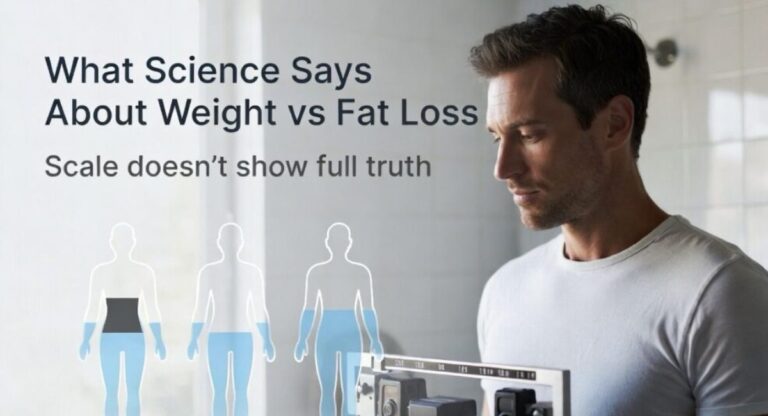
For this reason, it’s best to focus on creating sustainable habits rather than chasing a specific number on the scale.
Factors That Affect How Much Weight You Can Lose in 6 Months
Starting Weight
People who have more weight to lose often see faster initial results because their bodies burn more calories during daily activities.
Calorie Intake
Weight loss happens when you burn more calories than you consume. Creating a moderate calorie deficit is one of the most effective ways to lose weight steadily.
Physical Activity
Regular exercise increases calorie burn, preserves muscle mass, and improves overall health.
Age and Metabolism
Metabolism naturally slows with age, making weight loss slightly more challenging for older adults.
Sleep and Stress Levels
Poor sleep and chronic stress can affect hunger hormones, increase cravings, and make weight management more difficult.
Medical Conditions
Certain conditions and medications can impact weight loss progress. If you’re struggling to lose weight despite your efforts, consult your healthcare provider.
What Does Healthy Weight Loss Look Like Over 6 Months?
Here’s an example of what realistic progress may look like:
| Month | Weight Loss Goal |
| Month 1 | 4– pounds |
| Month 2 | 4–8 pounds |
| Month 3 | 4–8 pounds |
| Month 4 | 4–8 pounds |
| Month 5 | 4–8 pounds |
| Month 6 | 4–8 pounds |
Total after six months: Approximately 24–48 pounds lost.
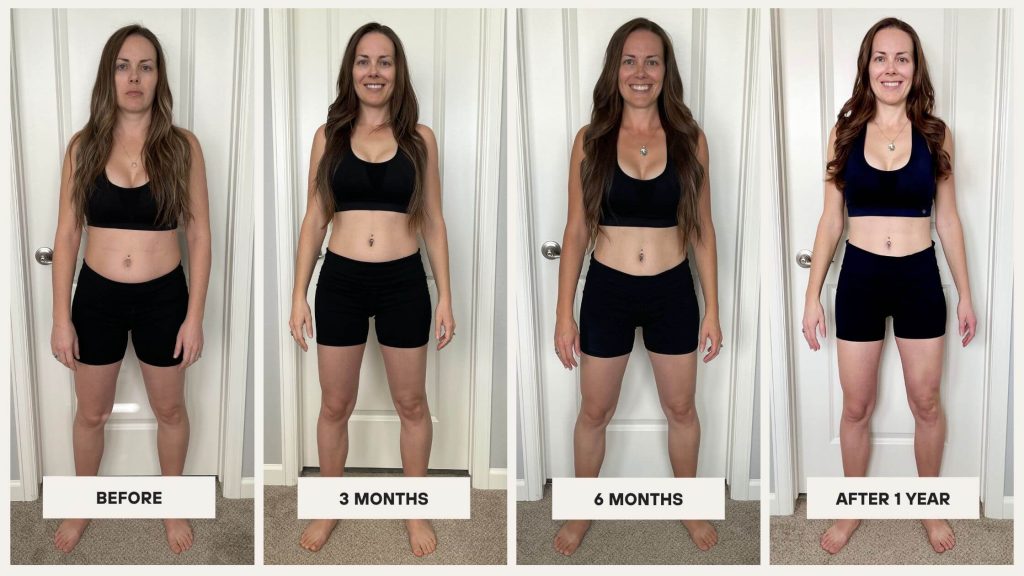
Remember that weight loss isn’t always linear. Some weeks you may lose more, while other weeks the scale may not move at all.
How to Lose Weight Safely in 6 Months
1. Create a Moderate Calorie Deficit
Aim to reduce your calorie intake by about 500 to 1,000 calories per day. This generally supports a weight loss rate of 1 to 2 pounds per week.
2. Eat More Protein
Protein helps:
- Keep you full longer
- Preserve muscle mass
- Reduce cravings
- Support metabolism
Good sources include:
- Chicken
- Fish
- Eggs
- Greek yogurt
- Beans
- Tofu
3. Fill Up on Fiber
Fiber-rich foods can help control hunger and improve digestion.
Choose foods like:
- Fruits
- Vegetables
- Oats
- Whole grains
- Legumes
4. Exercise Regularly
Try combining:
Cardio Exercise
- Walking
- Running
- Cycling
- Swimming
Strength Training
- Bodyweight exercises
- Weightlifting
- Resistance bands
Experts generally recommend at least 150 minutes of moderate exercise per week.
5. Drink More Water
Staying hydrated can help reduce overeating and improve overall health. Sometimes thirst is mistaken for hunger.
6. Get Enough Sleep
Aim for 7 to 9 hours of sleep per night. Poor sleep can disrupt hormones that control appetite and increase cravings for high-calorie foods.
7. Track Your Progress
Keeping a food journal or using a calorie-tracking app can help you stay accountable and identify areas for improvement.
Why Weight Loss May Slow Down After a Few Months
Many people experience a weight loss plateau after several months. This happens because:
- Your body requires fewer calories as you lose weight.
- Metabolism can adapt to lower calorie intake.
- You may become less consistent with diet or exercise.
To overcome a plateau:
- Reevaluate your calorie intake.
- Increase physical activity.
- Add strength training.
- Prioritize sleep and stress management.
Can You Lose Weight Faster Than 2 Pounds Per Week?

Rapid weight loss is possible but isn’t ideal for most people. Very low-calorie diets can lead to:
- Loss of muscle mass
- Fatigue
- Nutritional deficiencies
- Increased risk of regaining weight
Slow, steady progress is usually more effective for long-term success.
Sample 6-Month Weight Loss Goals
If You Weigh 180 Pounds
A realistic goal may be losing 20 to 35 pounds.
If You Weigh 250 Pounds
A healthy target could be 30 to 50 pounds.
If You Weigh More Than 300 Pounds
Some individuals may lose 50 pounds or more, especially under medical supervision.
Remember that everyone’s body responds differently, so avoid comparing your progress to others.
Tips to Stay Motivated for Six Months
Set Small Goals
Break your larger goal into smaller monthly milestones.
Celebrate Non-Scale Victories
Notice improvements like:
- More energy
- Better sleep
- Smaller clothing sizes
- Increased fitness
Focus on Habits
Building healthy habits is often more important than chasing a specific number on the scale.
Be Patient
Long-term success comes from consistency, not perfection.
Frequently Asked Questions
1.Is losing 30 pounds in 6 months realistic?
Yes. Losing 30 pounds in six months is a healthy and achievable goal for many people.
2.Is losing 50 pounds in 6 months possible?
Yes, especially for people who start at a higher weight and follow a structured plan.
3.What is the safest amount of weight to lose in 6 months?
Most experts recommend aiming for approximately 25 to 50 pounds over six months.
4.Can I lose belly fat specifically?
You can’t target fat loss in one area. As you lose overall body fat, your belly fat will gradually decrease as well.
Final Thoughts
So, how much weight can you lose in 6 months? For most people, a realistic and healthy expectation is losing 25 to 50 pounds by following a balanced diet, exercising regularly, and staying consistent with healthy habits.
Rather than focusing solely on the number on the scale, aim to build sustainable lifestyle changes that improve your health for years to come. Small, consistent actions can lead to incredible results over six months and beyond.