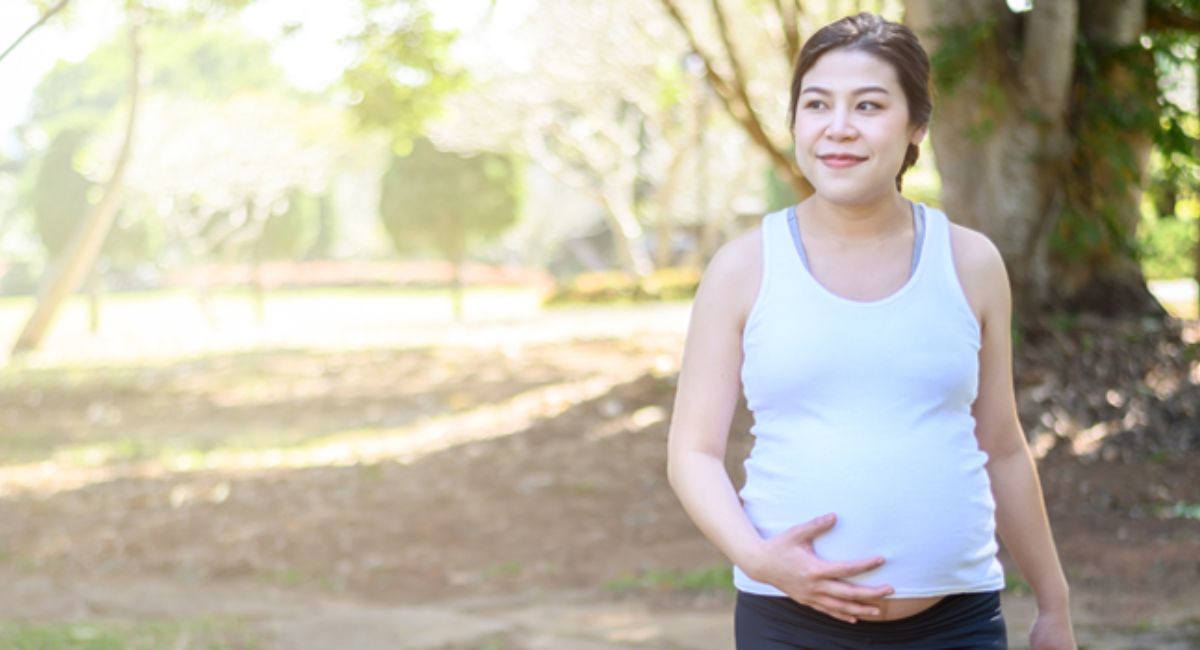
Obesity and Pregnancy: Risks, Weight Gain Guidelines, and Tips for a Healthy Pregnancy
Being overweight or obese during pregnancy can feel overwhelming, but many women with obesity go on to have healthy pregnancies and healthy babies. The key is understanding the possible risks and taking steps to manage your health throughout pregnancy.
Obesity in pregnancy is usually defined as having a body mass index (BMI) of 30 or higher before becoming pregnant. While obesity can increase the risk of certain complications, proper prenatal care, healthy eating, and regular physical activity can help reduce many of these risks.
This guide explains how obesity affects pregnancy, how much weight you should gain, and practical tips to support a healthy pregnancy.
Learn how obesity can affect pregnancy, possible risks for you and your baby, healthy weight gain guidelines, diet tips, and safe exercises during pregnan
What Is Obesity During Pregnancy?
A woman is considered obese during pregnancy if her pre-pregnancy BMI is 30 or above.
| BMI Category | BMI |
| Healthy Weight | 18.5–24.9 |
| Overweight | 25–29.9 |
| Obesity | 30 or higher |
Your healthcare provider may use your BMI to monitor your pregnancy and recommend appropriate weight gain goals.
Can You Have a Healthy Pregnancy With Obesity?
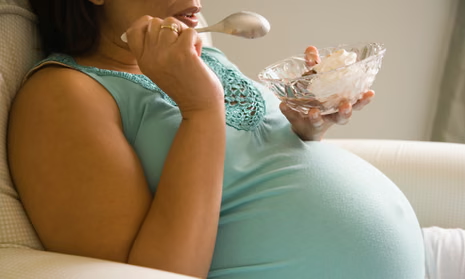
Yes. Many women with obesity have healthy pregnancies and deliver healthy babies.
The most important steps include:
- Attending all prenatal appointments
- Eating a balanced diet
- Staying physically active
- Managing weight gain
- Monitoring blood pressure and blood sugar
Early prenatal care can significantly reduce complications.
How Obesity Can Affect Pregnancy
Gestational Diabetes
Women with obesity are more likely to develop gestational diabetes, a condition that causes high blood sugar during pregnancy.
Gestational diabetes can increase the risk of:
- Large birth weight
- Difficult delivery
- Future type 2 diabetes
High Blood Pressure and Preeclampsia
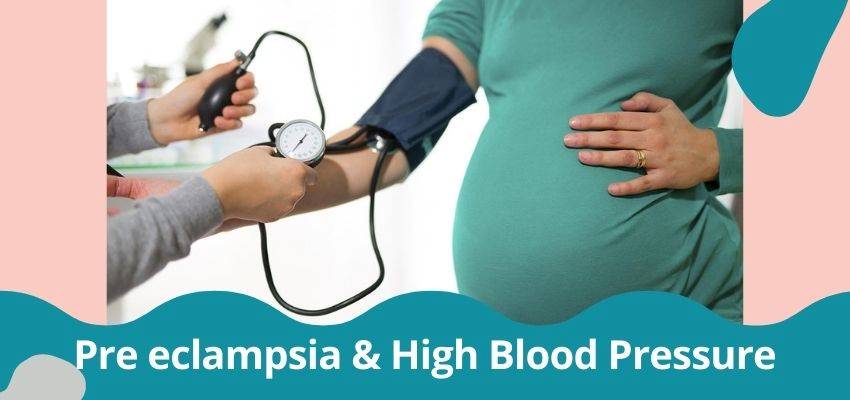
Obesity increases the risk of:
- High blood pressure
- Preeclampsia
- Organ complications
Preeclampsia requires immediate medical attention because it can affect both mother and baby.
Sleep Apnea
Excess weight increases the likelihood of sleep apnea, which may contribute to high blood pressure and pregnancy complications.
Blood Clots
Pregnancy already raises the risk of blood clots, and obesity can increase this risk even further.
Increased Risk of Caesarean Delivery
Women with obesity are more likely to need a cesarean section and may experience a longer recovery period.
How Obesity Can Affect Your Baby
Higher Risk of Birth Defects
Obesity may slightly increase the risk of certain birth defects, including neural tube defects.
Premature Birth
Pregnancy complications can increase the likelihood of early delivery.
Large Birth Weight
Babies born larger than average may experience delivery complications.
Stillbirth Risk
Severe obesity can increase the risk of stillbirth, which is why regular prenatal monitoring is essential.
How Much Weight Should You Gain During Pregnancy?
The recommended weight gain depends on your BMI before pregnancy.
| Pre-Pregnancy BMI | Recommended Weight Gain |
| Overweight (25–29.9) | 15–25 pounds |
| Obesity (30 or higher) | 11–20 pounds |
Every pregnancy is different, so always follow your healthcare provider’s advice.
Should You Try to Lose Weight During Pregnancy?

In most cases, intentional weight loss during pregnancy is not recommended.
Instead of dieting, focus on:
- Eating nutritious foods
- Staying active
- Gaining weight gradually
- Following your doctor’s recommendations
Healthy Eating Tips During Pregnancy
Eat More Nutrient-Dense Foods
Choose:
- Fruits
- Vegetables
- Whole grains
- Lean proteins
- Low-fat dairy products
Limit Highly Processed Foods
Try to reduce:
- Sugary drinks
- Fast food
- Fried foods
- Excess sweets
Watch Portion Sizes
Eating for two does not mean doubling your calorie intake.
Safe Exercises During Pregnancy

Regular physical activity can improve overall health and may help manage weight gain.
Safe activities include:
- Walking
- Swimming
- Prenatal yoga
- Stationary cycling
- Light strength exercises
Always speak with your healthcare provider before starting a new exercise routine.
Tips for a Healthy Pregnancy With Obesity
- Attend every prenatal appointment.
- Take prenatal vitamins as prescribed.
- Monitor your blood pressure.
- Stay hydrated.
- Get enough sleep.
- Avoid smoking and alcohol.
- Follow your doctor’s weight-gain recommendations.
When Should You Call Your Doctor?
Contact your healthcare provider if you experience:
- Severe headaches
- Swelling of the hands or face
- Vision changes
- Severe abdominal pain
- Reduced fetal movement
- Vaginal bleeding
- Sudden weight changes
Frequently Asked Questions
1.Can obesity harm my baby?
Obesity may increase the risk of certain complications, but many women with obesity have healthy pregnancies and healthy babies.
2.Is it safe to exercise during pregnancy if I’m obese?
Yes. Most women can safely perform moderate exercise during pregnancy with their healthcare provider’s approval.
3.Should I lose weight before becoming pregnant?
If possible, reaching a healthier weight before pregnancy may reduce certain risks.
4.Can obesity cause gestational diabetes?
Yes. Obesity significantly increases the risk of gestational diabetes.
5.How much weight should an obese woman gain during pregnancy?
Most women with obesity are advised to gain approximately 11–20 pounds during pregnancy.
Final Thoughts
Being obese during pregnancy does not automatically mean you will experience complications. However, it does increase the risk of certain health problems for both mother and baby. The good news is that regular prenatal care, healthy eating habits, and appropriate physical activity can greatly improve pregnancy outcomes.Work closely with your healthcare provider, attend all prenatal appointments, and focus on healthy lifestyle habits to support a safer and healthier pregnancy.