How Do You Lose Water Weight Fast? 10 Safe and Effective Ways to Reduce Bloating
Learn how to lose water weight fast with 10 safe and effective methods. Discover the causes of water retention, foods to eat, and expert tips to reduce bloating naturally.
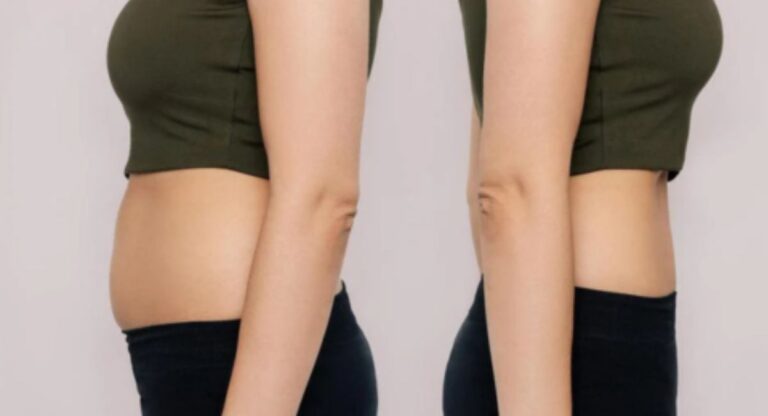
Have you ever stepped on the scale and noticed you’ve gained two to five pounds overnight? Before you panic, remember that it probably isn’t body fat. In many cases, the culprit is water weight.
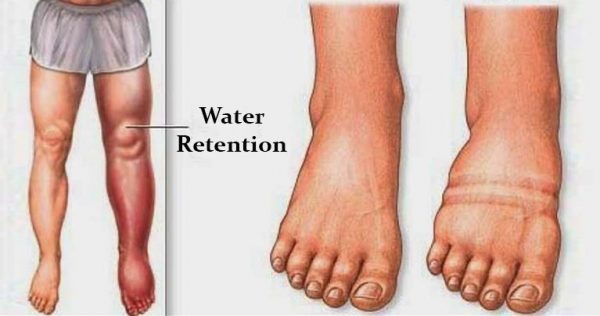
Water weight, also known as fluid retention or edema, happens when your body holds onto excess fluids. This can leave you feeling bloated, puffy, and uncomfortable. The good news is that water retention is usually temporary and can often be reduced naturally within a few days.
If you’re wondering how do you lose water weight fast, there are several safe and effective strategies that can help. This guide explains what causes water retention, how to reduce it naturally, and when you should see a doctor.
Learn how to lose water weight fast with 10 safe and effective methods. Discover the causes of water retention, foods to eat, and expert tips to reduce bloating naturally.
What Is Water Weight?
Water weight refers to excess fluid that accumulates in the body’s tissues. Since water makes up around 60% of the human body, even small changes in fluid balance can cause noticeable weight fluctuations.
Unlike body fat, which takes time to gain or lose, water weight can change within hours or days.
What Causes Water Retention?
Several factors can cause your body to hold onto extra water.
Eating Too Much Sodium
High-sodium foods cause your body to retain fluid to maintain the proper balance of electrolytes.
Eating More Carbohydrates
Your body stores carbohydrates as glycogen, and each gram of glycogen is stored with water.
Hormonal Changes
Hormonal fluctuations during menstruation, pregnancy, and menopause can increase water retention.
Sitting or Standing for Long Periods
Remaining in one position can cause fluid to collect in the legs and feet.
Certain Medications
Some medications, including steroids and blood pressure medications, may cause water retention.
Lack of Physical Activity
Regular movement helps circulation and prevents fluid buildup.
Signs and Symptoms of Water Weight
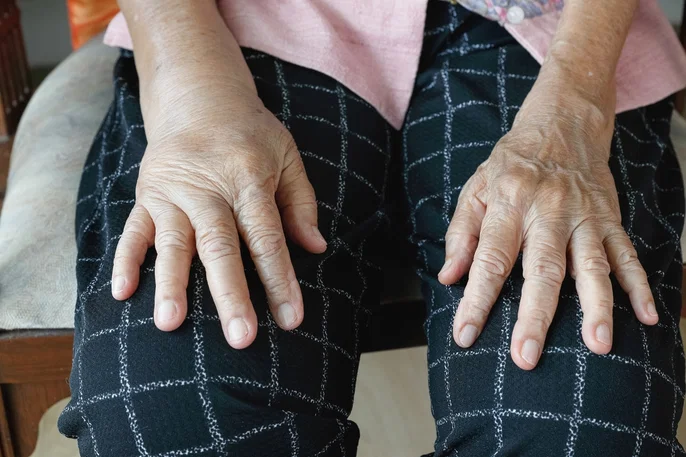
You may be retaining water if you experience:
- Bloating and puffiness
- Swollen hands, feet, or ankles
- Tight-fitting clothes or rings
- Rapid weight gain
- Stiff joints
- Indentations in the skin after pressing on it
If swelling is severe, painful, or persistent, seek medical advice.
How Do You Lose Water Weight Fast?
1. Reduce Your Sodium Intake
Eating too much sodium is one of the most common causes of water retention.
Ways to Reduce Sodium
- Cook more meals at home.
- Limit processed foods.
- Read nutrition labels.
- Season foods with herbs and spices instead of salt.
Many people notice reduced bloating within a few days of lowering sodium intake.
2. Drink More Water
It may sound strange, but drinking more water can actually help you lose water weight.
When you’re dehydrated, your body tries to conserve water by holding onto extra fluid. Staying hydrated encourages your body to release retained water.
Daily Water Recommendations
- Women: About 2.7 liters per day
- Men: About 3.7 liters per day
Your needs may vary depending on your activity level and climate.
3. Exercise Regularly
Exercise helps reduce water retention by increasing circulation and promoting sweating.
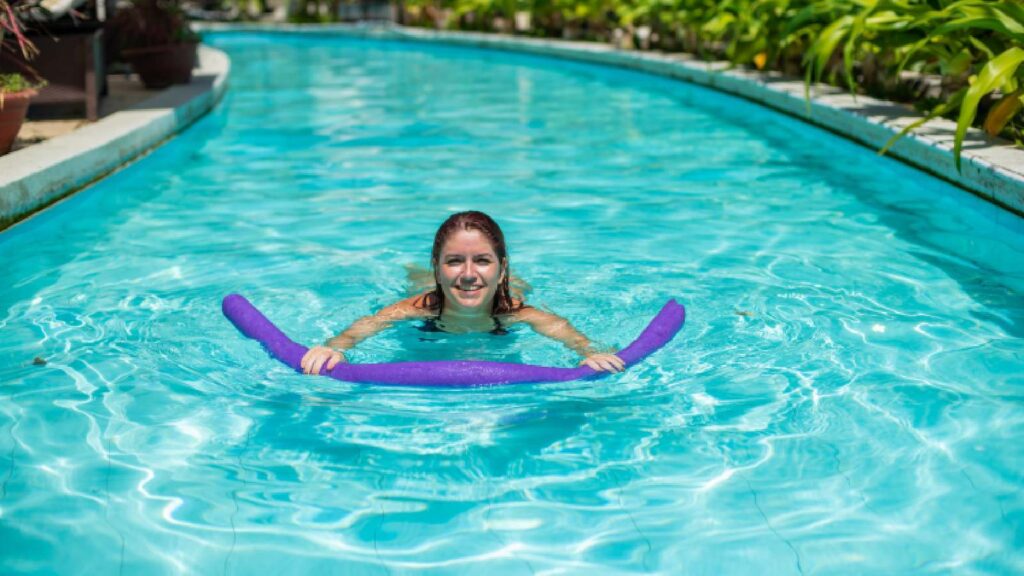
Best Exercises for Water Weight
- Walking
- Running
- Cycling
- Swimming
- Strength training
Even a short workout may temporarily reduce bloating.
4. Eat More Potassium-Rich Foods
Potassium helps balance sodium levels and regulate fluid in the body.
Potassium-Rich Foods
- Bananas
- Avocados
- Sweet potatoes
- Spinach
- Tomatoes
- Beans
- Yogurt
Increasing potassium intake may help reduce excess fluid retention.
5. Cut Back on Refined Carbohydrates
Refined carbohydrates increase glycogen stores, which also increases water storage.
Foods to Limit
- White bread
- Sugary cereals
- Candy
- Pastries
- Sugary drinks
Replacing refined carbs with whole grains may help reduce water weight.
6. Get Enough Sleep
Poor sleep may affect hormones involved in fluid regulation and sodium balance.
Tips for Better Sleep
- Sleep 7 to 9 hours each night.
- Keep a consistent bedtime.
- Limit screen time before bed.
- Create a cool and dark sleep environment.
Better sleep supports overall health and may help reduce bloating.
7. Increase Magnesium Intake
Magnesium plays an important role in fluid balance.
Some studies suggest magnesium may help reduce water retention, particularly in women with premenstrual symptoms.
Magnesium-Rich Foods
- Almonds
- Pumpkin seeds
- Spinach
- Black beans
- Cashews
- Dark chocolate
Speak with your healthcare provider before taking supplements.
8. Eat Natural Diuretic Foods
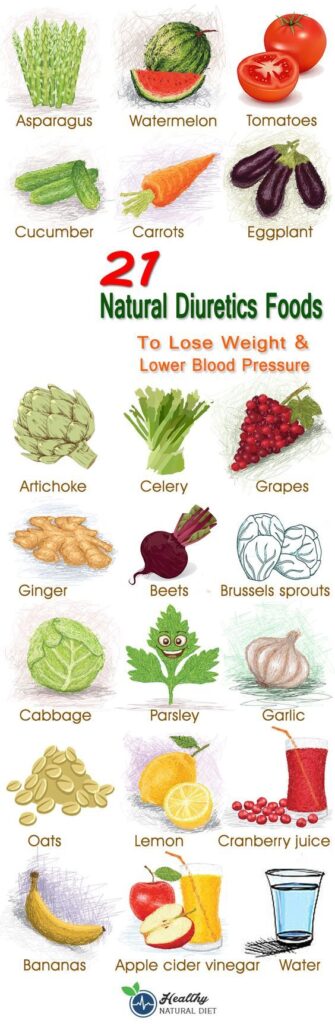
Some foods may naturally encourage your body to release excess water.
Natural Diuretic Foods
- Cucumbers
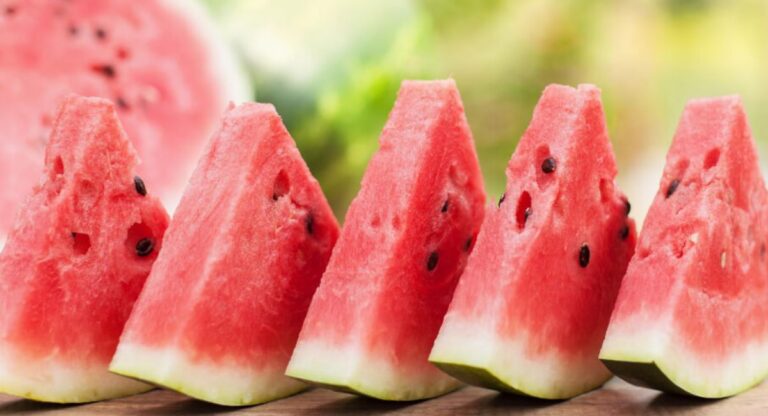
- Watermelon
- Celery
- Asparagus
- Lemon
- Parsley
These foods can help reduce bloating while supporting hydration.
9. Avoid Sitting for Long Periods
Sitting for hours can cause fluid to collect in your lower body.
Simple Ways to Stay Active
- Stand up every hour.
- Take short walks.
- Stretch frequently.
- Elevate your legs when resting.
Small movements throughout the day can make a big difference.
10. Limit Alcohol Consumption
Alcohol can contribute to dehydration and disrupt your body’s fluid balance.
Many people notice bloating after drinking alcohol. Reducing alcohol intake may help minimize water retention.
Foods That Cause Water Retention
Certain foods may make bloating worse.
- Salty snacks
- Processed meats
- Fast food
- Canned soups
- Sugary foods
- Alcoholic beverages
Limiting these foods may help reduce water weight.
Foods That Help Reduce Water Weight
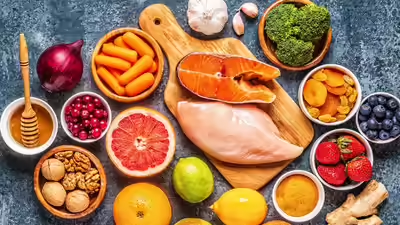
These foods may support healthy fluid balance:
- Bananas
- Watermelon
- Cucumbers
- Leafy greens
- Yogurt
- Avocados
- Tomatoes
- Celery
Water Weight Loss vs. Fat Loss
| Water Weight Loss | Fat Loss |
| Happens quickly | Happens gradually |
| Caused by fluid changes | Caused by a calorie deficit |
| Temporary | Long-term |
| Weight can return easily | More sustainable |
Understanding this difference can help you set realistic expectations.
How Much Water Weight Can You Lose Quickly?
The amount varies from person to person.
Many individuals lose between two and five pounds of water weight within a few days after making dietary and lifestyle changes.
However, this is not the same as losing body fat, and the weight may return if previous habits resume.
How to Prevent Water Retention
You can help prevent water weight by:
- Drinking enough water daily
- Exercising regularly
- Reducing sodium intake
- Eating more fruits and vegetables
- Getting enough sleep
- Managing stress
- Avoiding excessive alcohol intake
When Should You See a Doctor?
Occasional water retention is normal, but seek medical advice if you experience:
- Severe swelling
- Chest pain
- Shortness of breath
- Persistent swelling in one leg
- Sudden unexplained weight gain
These symptoms may indicate an underlying health condition.
Frequently Asked Questions
1.Can you lose water weight overnight?
You may lose a small amount overnight through sweating and breathing, but significant water weight loss usually takes several days.
2.Is losing water weight the same as losing fat?
No. Water weight loss is temporary, while fat loss occurs gradually through a calorie deficit.
3.Does drinking more water reduce bloating?
Yes. Proper hydration may encourage your body to release excess fluid and reduce bloating.
4.Are water pills safe?
Diuretics should only be used under medical supervision because they can cause dehydration and electrolyte imbalances.
5.Why does my weight fluctuate every day?
Daily changes in sodium intake, hormones, carbohydrate consumption, and hydration levels commonly cause temporary weight fluctuations.
Conclusion
If you’re asking how do you lose water weight fast, the best approach is to focus on healthy habits such as reducing sodium, staying hydrated, exercising regularly, eating potassium-rich foods, and getting enough sleep. These strategies can help you shed excess fluid safely and reduce bloating within a few days.
Remember that water weight loss is temporary and should not replace long-term strategies for fat loss and overall health. Sustainable weight management comes from consistent healthy eating, regular physical activity, and lifestyle habits that support your well-being.
Key Takeaways
- Water weight is extra fluid stored in your body’s tissues.
- High sodium intake, hormonal changes, and inactivity are common causes of water retention.
- Drinking more water, exercising, and eating potassium-rich foods can help reduce water weight quickly.
- Water weight loss is temporary and different from losing body fat.
- Persistent or severe swelling should be evaluated by a healthcare professional.
- Related post