How Much Weight to Lose to Get Off CPAP? A Complete Guide
If you use a Continuous Positive Airway Pressure (CPAP) machine for obstructive sleep apnea (OSA), you may wonder whether losing weight could help you stop using it. The short answer is yes—for some people—but not everyone.
Research suggests that losing 10–15% of your body weight can significantly reduce the severity of obstructive sleep apnea, especially if excess weight is one of the main causes. Some people who lose 20% or more of their body weight may no longer need CPAP therapy. However, the decision to stop CPAP should always be based on a repeat sleep study and your healthcare provider’s evaluation—not on weight loss or symptom improvement alone.
This guide explains how much weight you may need to lose, how weight loss improves sleep apnea, and what doctors consider before recommending that you stop CPAP.
Learn how much weight you may need to lose to get off CPAP, how weight loss affects sleep apnea, and when a repeat sleep study is needed.
Quick Answer
For most people with obesity-related obstructive sleep apnea:
- 5–10% weight loss: Often improves snoring, sleep quality, and daytime fatigue.
- 10–15% weight loss: Can significantly reduce the Apnea-Hypopnea Index (AHI) and may lower CPAP pressure requirements.
- 20% or more weight loss: Some people may no longer need CPAP, but only after a repeat sleep study confirms that sleep apnea has improved or resolved.
There is no universal weight-loss target that guarantees you can stop CPAP because every person’s airway anatomy and sleep apnea severity are different.
Why Weight Affects Sleep Apnea
Obstructive sleep apnea occurs when the muscles and soft tissues in the throat relax during sleep, causing the airway to become partially or completely blocked. Excess body fat increases this risk by narrowing the upper airway and making it more likely to collapse while you sleep.
Being overweight or obese can also reduce lung volume and increase pressure around the chest and neck, making breathing more difficult at night. This is why excess weight is one of the strongest risk factors for obstructive sleep apnea.
However, weight is only one factor. Genetics, jaw structure, tongue size, enlarged tonsils, and age can also contribute to sleep apnea, which is why some people continue to need CPAP even after significant weight loss.
How Much Weight Loss Improves Sleep Apnea?
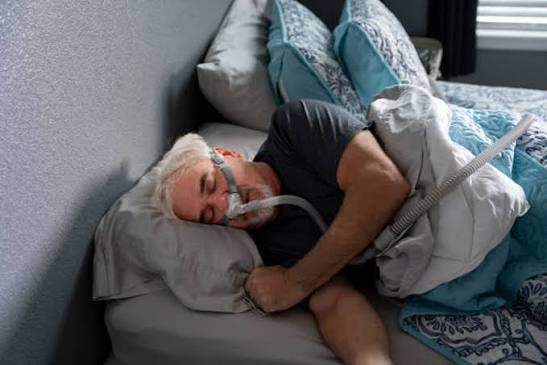
Even modest weight loss can make a noticeable difference.
Losing 5% of Your Body Weight
A 5% reduction may lead to:
- Less snoring
- Better sleep quality
- Improved daytime alertness
- Mild reduction in sleep apnea severity
Example: If you weigh 200 pounds, losing 10 pounds equals a 5% weight loss.
Losing 10–15% of Your Body Weight
Clinical studies consistently show that losing 10–15% of body weight can significantly reduce the severity of obstructive sleep apnea.
Potential benefits include:
- Lower AHI scores
- Improved oxygen levels during sleep
- Reduced CPAP pressure requirements
- Better overall sleep quality
- Lower risk of high blood pressure and cardiovascular complications
Example: A person weighing 220 pounds would need to lose 22–33 pounds to reach this range.
Losing 20% or More
Greater weight loss, often achieved through intensive lifestyle changes, weight-loss medications, or bariatric surgery, may allow some individuals to stop using CPAP. However, this is not guaranteed.
Many people still require CPAP because their sleep apnea is influenced by factors other than body weight, such as airway anatomy or severe OSA.
Can Weight Loss Cure Sleep Apnea?
Weight loss can dramatically improve sleep apnea, but it is not considered a guaranteed cure.
People with mild or moderate obesity-related OSA are more likely to see major improvements. Those with severe sleep apnea or structural airway problems may continue to need CPAP even after losing a large amount of weight.
Doctors recommend continuing CPAP therapy until repeat testing confirms that treatment is no longer necessary.
What Is the Apnea-Hypopnea Index (AHI)?
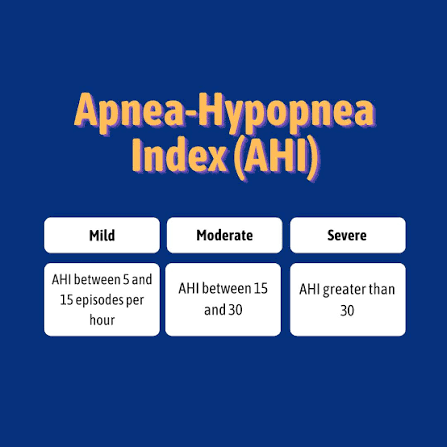
The Apnea-Hypopnea Index (AHI) measures how many times you stop breathing—or breathe too shallowly—during one hour of sleep. It is the primary tool doctors use to diagnose sleep apnea and monitor improvement.
| AHI Score | Sleep Apnea Severity |
| 0–4 | Normal |
| 5–14 | Mild |
| 15–29 | Moderate |
| 30 or higher | Severe |
As you lose weight, your AHI may decrease, but only a repeat sleep study can confirm whether it has improved enough to reduce or stop CPAP therapy.
When Can You Safely Stop Using CPAP?
Never stop using your CPAP machine based only on weight loss or because you feel better. While symptoms like reduced snoring and improved energy are encouraging, they do not confirm that your sleep apnea has resolved.
Most sleep specialists recommend a repeat sleep study after significant weight loss to determine whether CPAP is still necessary. During this evaluation, your doctor will review:
- Your current AHI score
- Oxygen levels during sleep
- CPAP machine data (if available)
- Daytime symptoms
- Overall health and weight changes
Only after these results show that your sleep apnea has improved enough should CPAP be reduced or discontinued.
Weight Loss Timeline What to Expect
Healthy, sustainable weight loss usually occurs at 1–2 pounds per week. Improvements in sleep apnea often happen gradually.
| Time | What You May Notice |
| 1 Month | Better energy, less daytime fatigue |
| 2–3 Months | Reduced snoring and improved sleep quality |
| 4–6 Months | Significant weight loss may reduce AHI and CPAP pressure needs |
| After Major Weight Loss | Your doctor may recommend a repeat sleep study to reassess CPAP |
Remember, every person responds differently depending on the severity of sleep apnea and the amount of weight lost.
Weight Loss and CPAP What to Expect
| Weight Loss | Expected Improvement | CPAP Recommendation |
| 5% | Mild symptom improvement | Continue CPAP |
| 10% | Significant reduction in OSA severity | Discuss reassessment with your doctor |
| 15% | Major improvement in many people | Repeat sleep study may be appropriate |
| 20% or More | Some people may no longer need CPAP | Stop only if your doctor confirms it is safe |
Best Ways to Lose Weight for Sleep Apnea
Follow a Healthy Diet
Focus on nutrient-dense foods that support gradual, sustainable weight loss, including:
- Lean protein
- Vegetables and fruits
- Whole grains
- Healthy fats
- Plenty of water
Limit sugary drinks, highly processed foods, and excessive alcohol.
Exercise Regularly
Aim for at least 150 minutes of moderate exercise each week, along with strength training twice weekly. Walking, cycling, swimming, and resistance exercises can all support healthy weight loss.
Get Enough Sleep
Poor sleep can make weight loss more difficult by increasing hunger hormones and reducing energy levels. Aim for 7–9 hours of quality sleep each night while continuing your CPAP therapy.
Consider Medical Weight-Loss Treatments
For people with obesity who struggle to lose weight through lifestyle changes alone, healthcare providers may recommend:
- Prescription weight-loss medications such as GLP-1 receptor agonists (for example, semaglutide or tirzepatide)
- Structured weight-management programs
- Bariatric surgery for eligible patients
These treatments can lead to substantial weight loss, which may improve sleep apnea, but they do not automatically eliminate the need for CPAP.
What Happens If You Stop CPAP Too Early?
Stopping CPAP without medical approval can allow sleep apnea to return, even if you’ve lost weight.
Possible risks include:
- Loud snoring
- Daytime sleepiness
- Morning headaches
- Poor concentration
- High blood pressure
- Increased risk of heart disease and stroke
- Higher risk of accidents caused by fatigue
Always continue using CPAP until your healthcare provider confirms it is safe to stop.
Frequently Asked Questions
1.Can losing 20 pounds get me off CPAP?
It depends on your starting weight and the severity of your sleep apnea. Some people improve significantly after losing 20 pounds, while others still require CPAP therapy.
2.Is losing 10% of body weight enough?
For many people, a 10% weight loss leads to meaningful improvements in obstructive sleep apnea. However, it does not guarantee that CPAP can be discontinued.
3.Can CPAP pressure change after weight loss?
Yes. As you lose weight, your airway may stay open more easily, allowing your doctor to lower your CPAP pressure if appropriate.
4.Can sleep apnea return after regaining weight?
Yes. Regaining weight can increase airway obstruction and cause sleep apnea symptoms to return, making CPAP necessary again.
5.Do I need another sleep study before stopping CPAP?
Yes. A repeat sleep study is the safest way to determine whether your sleep apnea has improved enough to stop CPAP therapy.
Final Thoughts
Losing weight is one of the most effective lifestyle strategies for improving obstructive sleep apnea, especially when excess body weight contributes to the condition. For many people, losing 10–15% of body weight significantly reduces symptoms, while larger weight losses may even eliminate the need for CPAP. However, there is no guaranteed weight-loss target that works for everyone.
The safest approach is to continue using your CPAP while working toward a healthy weight. Once you’ve achieved significant weight loss, speak with your sleep specialist about repeating a sleep study. Only objective testing can determine whether it is safe to reduce or stop CPAP therapy.