Can Watermelon Help You Lose Weight-Benefits, Nutrition, and Science
Watermelon is one of the most refreshing fruits, especially during the summer months. Because it is naturally sweet, low in calories, and packed with water, many people wonder whether it can support weight loss. While watermelon is not a magic fat-burning food, it may help with hydration, fullness, and calorie control. Understanding its nutritional benefits and how to include it in a balanced diet can help you decide whether watermelon deserves a place in your weight-loss plan.
Discover whether watermelon can help you lose weight. Learn its nutrition facts, health benefits, and the science behind using watermelon for weight loss.
What Is Watermelon?
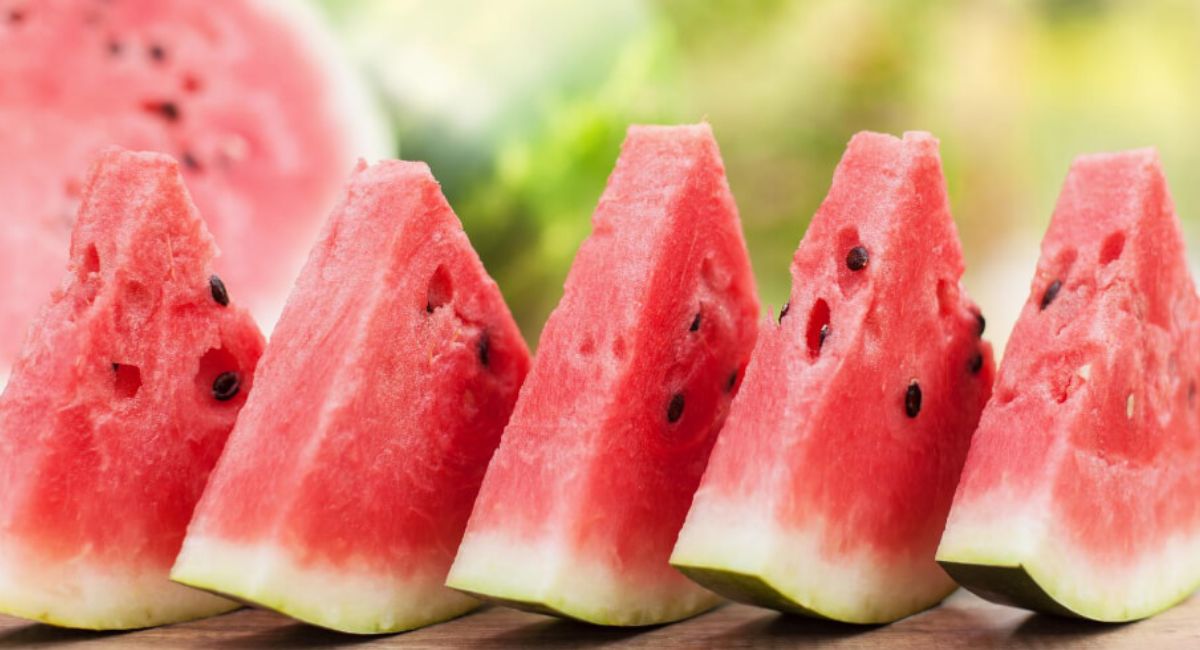
Watermelon is a juicy fruit that belongs to the cucumber family. It is made up of about 90% water and contains several important nutrients, including vitamin C, vitamin A, potassium, and antioxidants like lycopene. Its naturally sweet flavor makes it a popular choice for people looking for healthier snack options.
Watermelon Nutrition Facts
One cup of diced watermelon contains approximately:
- Calories: 45–50
- Carbohydrates: 11–12 grams
- Fiber: 0.5 grams
- Sugar: 9–10 grams
- Water: About 90%
- Vitamin C: Around 14% of the Daily Value
- Vitamin A: Around 5% of the Daily Value
Watermelon Nutrition Facts
Watermelon is a low-calorie fruit packed with water, vitamins, minerals, and antioxidants that support overall health and hydration.
Calories
One cup (about 152 grams) of diced watermelon contains approximately 46 calories. Its low calorie content makes it a satisfying snack for people trying to manage their weight.
Carbohydrates
A serving of watermelon provides around 11.5 grams of carbohydrates, mainly from naturally occurring sugars. These carbohydrates give your body a quick source of energy.
Protein and Fat
Watermelon contains about 0.9 grams of protein and only 0.2 grams of fat per cup. Although it is not a significant source of protein, it is naturally very low in fat.
Fiber
One cup of watermelon provides around 0.6 grams of fiber. While the amount is modest, fiber can support healthy digestion and contribute to feelings of fullness.
Water Content
Watermelon is made up of about 91% water, making it one of the most hydrating fruits. Its high water content may help you stay hydrated and feel satisfied between meals.
Vitamins and Minerals
Watermelon contains important nutrients, including vitamin C, vitamin A, and potassium. It is also rich in lycopene, a powerful antioxidant that may support heart health and help protect cells from damage.
What Does Research Say About Watermelon and Weight Loss?
Research suggests that watermelon may support weight management because of its high water content and low calorie density. In one study involving overweight and obese adults, people who ate fresh watermelon reported feeling fuller and less hungry than those who ate low-fat cookies. Researchers also observed improvements in body weight and certain cardiometabolic health markers. Although watermelon does not directly burn fat, these findings suggest that it can be a healthy and satisfying food to include in a balanced weight-loss plan.
Health Benefits of Watermelon
Watermelon is more than just a refreshing summer fruit. It contains water, vitamins, minerals, and antioxidants that can support overall health in several ways.

Supports Hydration
Watermelon is made up of about 91% water, making it an excellent fruit for staying hydrated. Proper hydration supports digestion, body temperature regulation, and overall well-being.
Rich in Antioxidants
Watermelon contains antioxidants such as lycopene and vitamin C, which help protect the body’s cells from damage caused by harmful free radicals.
Promotes Heart Health
The potassium and lycopene found in watermelon may support healthy blood pressure and contribute to overall cardiovascular health.
Boosts Immune Function
Watermelon provides vitamin C, an important nutrient that helps support a healthy immune system and assists the body in fighting infections.
Supports Healthy Digestion
Its high water content and small amount of fiber can help support normal digestion and promote regular bowel movements.
May Aid Exercise Recovery
Watermelon contains citrulline, an amino acid that may help reduce muscle soreness and support recovery after physical activity.
Supports Skin and Eye Health
Watermelon contains vitamin A and antioxidants that help support healthy skin and contribute to normal eye function.
Does Watermelon Help You Lose Belly Fat?
No single food can specifically target belly fat. However, watermelon may support overall weight loss by helping you control calorie intake and feel fuller for longer. As you lose overall body fat through healthy lifestyle habits, you may also notice a reduction in abdominal fat.
Best Ways to Eat Watermelon for Weight Loss
Watermelon is naturally low in calories and can fit easily into a healthy eating plan. The key is to enjoy it in ways that support your weight-loss goals and avoid adding unnecessary sugar or calories.

Enjoy It as a Healthy Snack
A bowl of fresh watermelon makes a refreshing and satisfying snack between meals. Its high water content may help you feel full while keeping your calorie intake low.
Add It to Fruit Salads
Mix watermelon with berries, kiwi, or oranges to create a nutritious fruit salad packed with vitamins, minerals, and antioxidants.
Pair It With Protein-Rich Foods
Combine watermelon with Greek yogurt, cottage cheese, or a handful of nuts. Adding protein can help keep you full for longer and support healthy eating habits.
Make a Refreshing Smoothie
Blend fresh watermelon with ice and mint to make a naturally sweet smoothie. Avoid adding sugar or sweetened syrups to keep the drink low in calories.
Enjoy It as a Healthy Dessert
Replace high-calorie desserts such as cakes, cookies, or ice cream with a serving of chilled watermelon to satisfy sweet cravings in a healthier way..
Can You Eat the White Part of Watermelon?
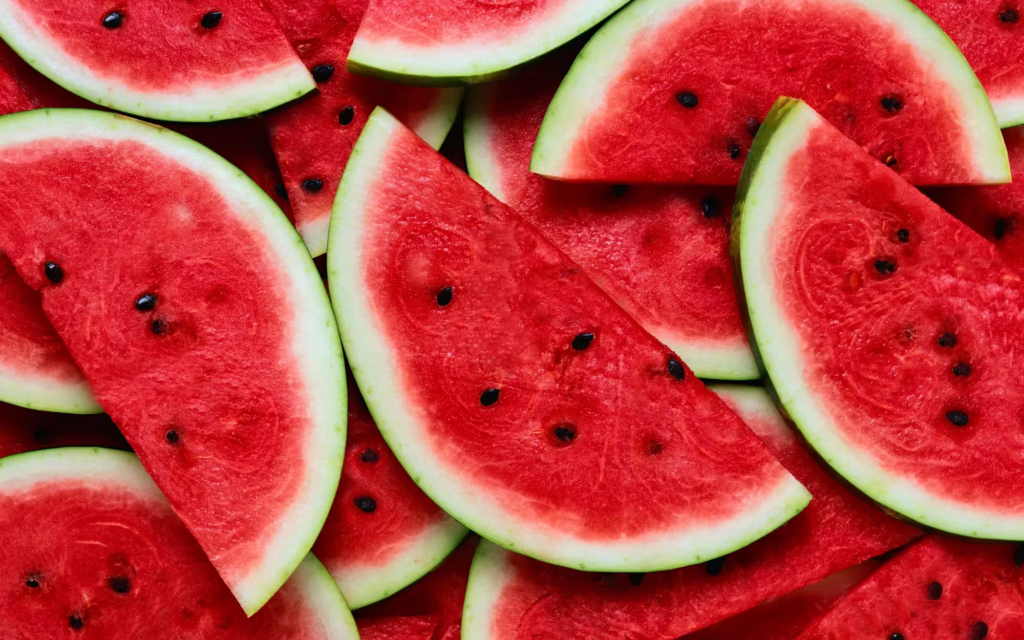
Yes, the white part of watermelon, also known as the rind, is edible and contains beneficial nutrients, including fiber and plant compounds such as citrulline. Although it is less sweet than the red flesh, the rind can be added to smoothies, salads, or pickled recipes. Eating the white part of watermelon may help reduce food waste while providing additional nutrients that support overall health.
Can You Eat the White Part of Watermelon?
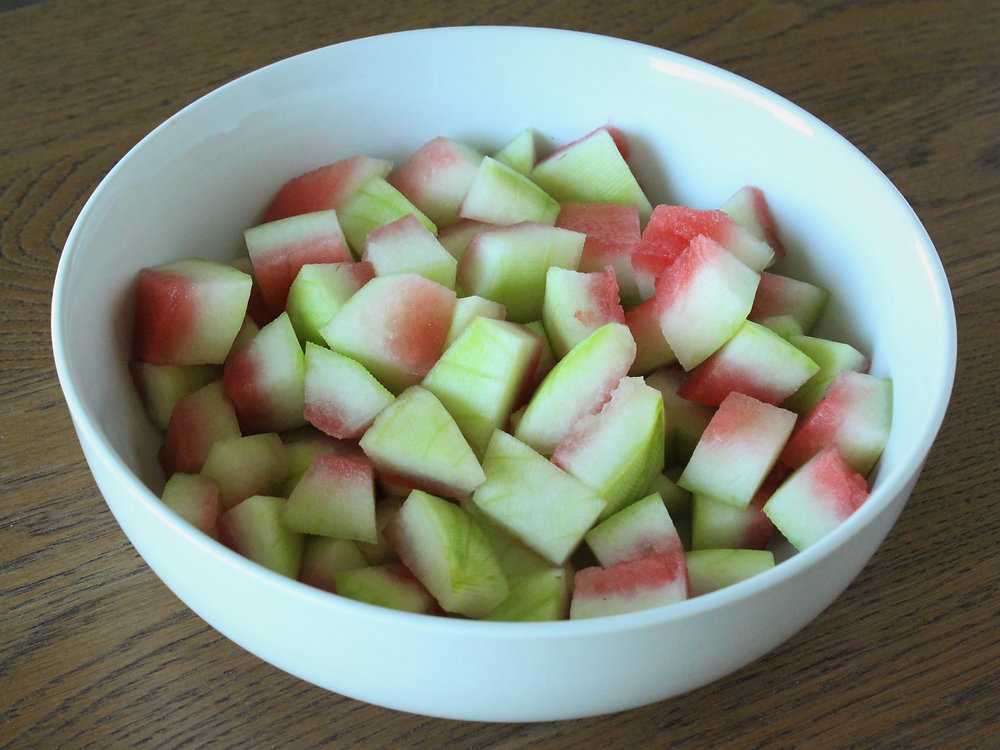
Yes, the white part of watermelon, known as the rind, is completely edible and contains fiber and beneficial plant compounds, including citrulline. Although it is less sweet than the red flesh, the rind can be used in smoothies, salads, stir-fries, or pickled recipes. Eating the white part of watermelon may provide additional nutrients and is also a great way to reduce food waste and make the most of the entire fruit.
Frequently Asked Questions
1-Can eating watermelon every day help you lose weight as part of a balanced and calorie-controlled healthy eating plan?
Yes. Eating moderate portions of watermelon each day can fit into a healthy weight-loss plan because it is low in calories and high in water.
2-Is watermelon a better snack choice than processed desserts and sugary foods when trying to lose excess body weight?
In many cases, yes. Watermelon is naturally sweet and lower in calories than many processed snacks and desserts.
3-Can drinking fresh watermelon juice support weight loss in the same way as eating whole watermelon pieces?
Whole watermelon is usually more filling because it contains more fiber and takes longer to eat than juice.
4-Does eating watermelon late at night automatically cause weight gain or make losing weight more difficult for adults?
No. Weight gain depends on your overall calorie intake and lifestyle habits rather than the time you eat watermelon.
5-Can the high water content in watermelon help control hunger and reduce daily calorie intake naturally?
Yes. The high water content of watermelon may increase feelings of fullness and help reduce the urge to snack between meals.
Conclusion
Watermelon is a refreshing, low-calorie fruit that can support healthy weight management by promoting fullness, satisfying sweet cravings, and helping you stay hydrated. Although it does not directly burn fat, it can be a nutritious addition to a balanced diet. When combined with regular exercise and healthy eating habits, watermelon can play a helpful role in achieving sustainable and long-term weight-loss goals.