What to Eat Before Bed to Lose Weight13 Healthy Nighttime Snacks That Support Fat Loss
What to Eat Before Bed to Lose Weight
Many people assume that eating before bed automatically causes weight gain. However, research suggests that weight gain depends more on your total daily calorie intake and food choices than the time you eat. Choosing a small, nutrient-rich bedtime snack can help reduce hunger, prevent overeating the next day, support muscle recovery, and improve sleep quality. The key is selecting foods that are high in protein, fiber, or healthy fats while keeping portions moderate.
In this guide, you’ll discover the best foods to eat before bed to lose weight, foods to avoid, and practical tips for making nighttime snacking part of a healthy weight-loss plan.
Discover what to eat before bed to lose weight with 13 healthy nighttime snacks that curb hunger, support fat loss, boost metabolism, and improve sleep quality.
Can Eating Before Bed Help You Lose Weight?
Yes—when you choose the right foods.
Going to bed extremely hungry can make it harder to sleep and may increase cravings the following morning. A healthy bedtime snack may help:
- Reduce late-night hunger
- Support muscle repair while you sleep
- Keep blood sugar more stable
- Improve sleep quality
- Help you stay consistent with your calorie goals
Aim for a snack that contains 150–250 calories and includes protein, fiber, or healthy fats.
13 Best Foods to Eat Before Bed to Lose Weight
1. Greek Yogurt
Plain Greek yogurt is one of the best bedtime snacks because it’s rich in casein protein, which digests slowly and helps keep you full overnight. It also supports muscle recovery after exercise.
Serving Size: ¾–1 cup
Why it’s a great choice:
- High in protein
- Low in sugar
- Supports muscle maintenance
- Keeps hunger under control
Add fresh berries or a sprinkle of cinnamon for extra flavor without adding much sugar.
2. Cottage Cheese
Cottage cheese is another excellent source of slow-digesting protein. It’s naturally low in calories while providing calcium and other essential nutrients.
Benefits:
- Promotes fullness
- Supports lean muscle
- Low in calories
- Easy to prepare
Pair it with cucumber slices or a few strawberries for a balanced snack.
3. Almonds
A small handful of almonds provides protein, fiber, and heart-healthy fats that help control hunger.
Recommended Portion: 20–25 almonds
Almonds are also rich in magnesium, which may help support better sleep quality.
4. Kiwi
Kiwi is low in calories and packed with vitamin C, antioxidants, and fiber. Some research suggests eating kiwi before bed may improve sleep duration and quality.
Better sleep supports healthy hormone balance and may make weight management easier.
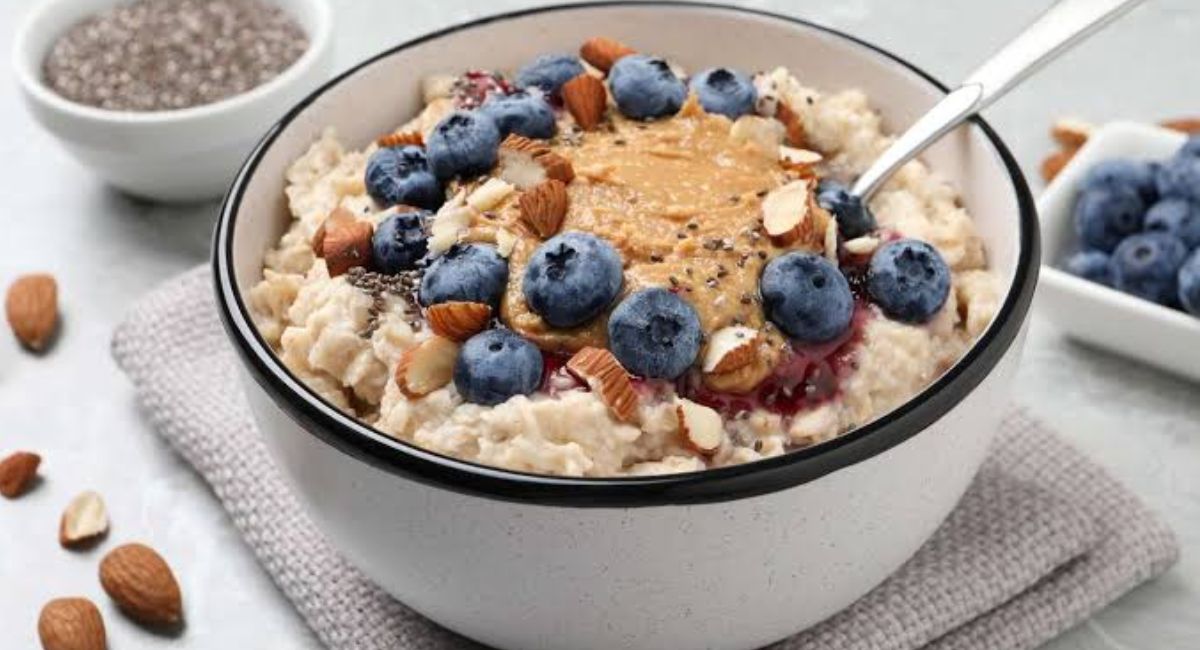
5. Oatmeal
Oatmeal isn’t only for breakfast. A small bowl of plain oats provides slow-digesting carbohydrates and soluble fiber that help you stay satisfied through the night.
Choose unsweetened oats and avoid sugary toppings.
6. Banana with Peanut Butter
Half a banana paired with one tablespoon of natural peanut butter creates a satisfying balance of carbohydrates, healthy fats, and protein.
This snack can help reduce sweet cravings while keeping calories under control.
7. Protein Shake
A low-sugar whey or casein protein shake can be an excellent option after an evening workout.
Choose products with minimal added sugar and around 20–30 grams of protein per serving.
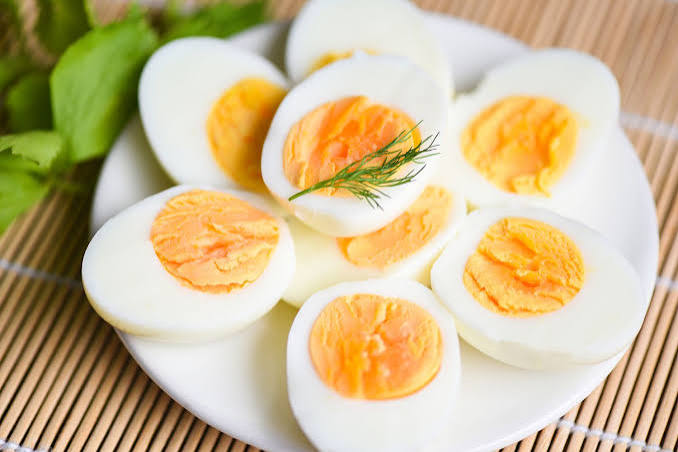
8. Boiled Eggs
Boiled eggs are affordable, convenient, and rich in high-quality protein.
One or two eggs can:
- Keep you full longer
- Support muscle recovery
- Provide healthy fats
- Supply vitamins D and B12
9. Chia Pudding
Chia seeds absorb liquid and create a filling pudding that’s rich in fiber and omega-3 fatty acids.
Prepare it with unsweetened almond milk for a lighter bedtime snack.
10. Turkey Slices
Turkey contains lean protein and tryptophan, an amino acid associated with healthy sleep.
Choose fresh, low-sodium turkey for the healthiest option.
11. Apple with Almond Butter
An apple provides fiber while almond butter adds healthy fats and protein.
Keep portions moderate by using just one tablespoon of almond butter.
12. Edamame
Edamame is an excellent plant-based snack that’s naturally rich in protein and fiber.
A half-cup serving can help satisfy hunger without adding excessive calories.
13. Herbal Tea with a Healthy Snack
Chamomile, peppermint, or lemon balm tea can promote relaxation. Pair herbal tea with Greek yogurt, cottage cheese, or a boiled egg if you’re genuinely hungry before bed.
Foods to Avoid Before Bed
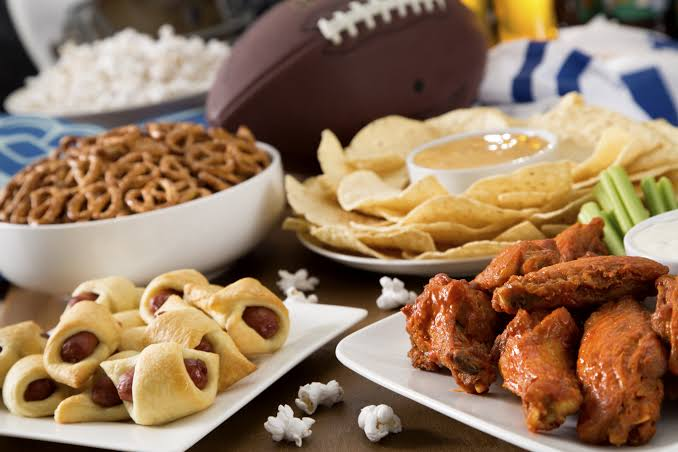
Some foods can interfere with weight loss and sleep quality.
Avoid:
- Ice cream
- Cookies
- Potato chips
- Pizza
- Fried foods
- Candy
- Sugary cereals
- Fast food
- Sugary drinks
- Alcohol
These foods are often high in calories, unhealthy fats, and added sugars while offering little nutritional value.
How to Build the Perfect Bedtime Snack
The healthiest bedtime snacks include a combination of:
Protein
Protein supports muscle recovery and helps you stay full.
Good sources include:
- Greek yogurt
- Cottage cheese
- Eggs
- Turkey
- Protein shakes
Fiber
Fiber slows digestion and reduces hunger.
Choose foods such as:
- Apples
- Kiwi
- Oats
- Chia seeds
Healthy Fats
Healthy fats improve satisfaction and help prevent late-night cravings.
Good choices include:
- Almonds
- Peanut butter
- Almond butter
- Walnuts
Keeping your snack between 150 and 250 calories is usually a smart guideline for most people.
Does Eating Before Bed Slow Your Metabolism?
No.
Your metabolism doesn’t stop working when you sleep. Weight gain occurs when you consistently consume more calories than your body needs—not simply because you eat at night.
If your bedtime snack fits within your daily calorie goals and includes nutritious foods, it can support rather than hinder your weight-loss efforts.
Healthy Nighttime Eating Tips
Follow these habits for better results:
- Eat dinner two to three hours before bed.
- Choose protein-rich snacks.
- Practice portion control.
- Limit sugary desserts.
- Stay hydrated throughout the day.
- Avoid emotional eating.
- Maintain a regular sleep schedule.
- Stop eating when comfortably satisfied.
Common Mistakes to Avoid
Many people accidentally consume hundreds of extra calories before bed.
Avoid these common mistakes:
- Eating directly from large packages
- Drinking sugary beverages
- Choosing highly processed snacks
- Skipping dinner and binge eating later
- Mindless snacking while watching TV
- Eating because of boredom rather than hunger
Planning your evening snack ahead of time makes healthier choices much easier.
Frequently Asked Questions
1.What is the best food to eat before bed to lose weight?
Greek yogurt, cottage cheese, boiled eggs, and almonds are among the best options because they’re high in protein and help control hunger overnight.
2.Can I eat fruit before bed?
Yes. Kiwi, apples, berries, and bananas can all fit into a healthy bedtime snack when eaten in reasonable portions.
3.Should I go to bed hungry?
Not necessarily. If you’re genuinely hungry, a small, balanced snack is often better than going to bed hungry and overeating the next day.
4.Is peanut butter good before bed?
Yes, when eaten in moderation. One tablespoon provides healthy fats and protein that help increase fullness.
5.How many calories should a bedtime snack contain?
Most bedtime snacks should contain approximately 150–250 calories, depending on your overall calorie needs and activity level.
Final Thoughts
Eating before bed doesn’t have to derail your weight-loss goals. Choosing protein-rich, fiber-filled, and minimally processed foods can help control hunger, support muscle recovery, improve sleep, and make healthy eating easier to maintain. Remember that long-term weight loss depends on your overall diet, physical activity, and consistent healthy habits—not simply the time you eat.
Related post;
- Does Ashwagandha Help You Lose Weight? Benefits, Research, and How It Works
- How Do You Lose Water Weight Fast? 10 Safe and Effective Ways to Reduce Bloating
Can Red Light Therapy Help You Lose Weight? Benefits, Research, and What to Expect