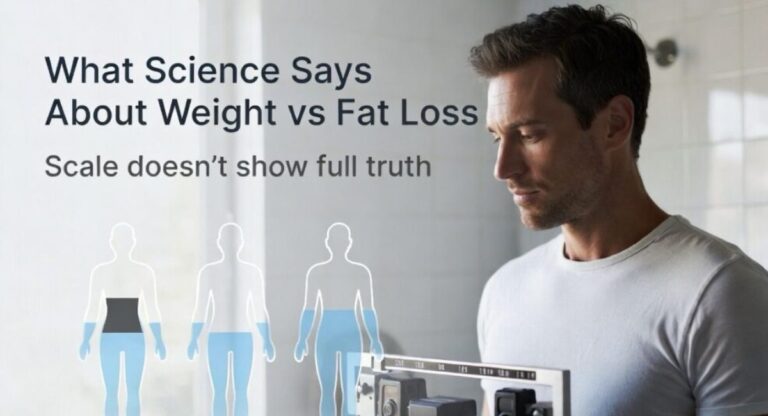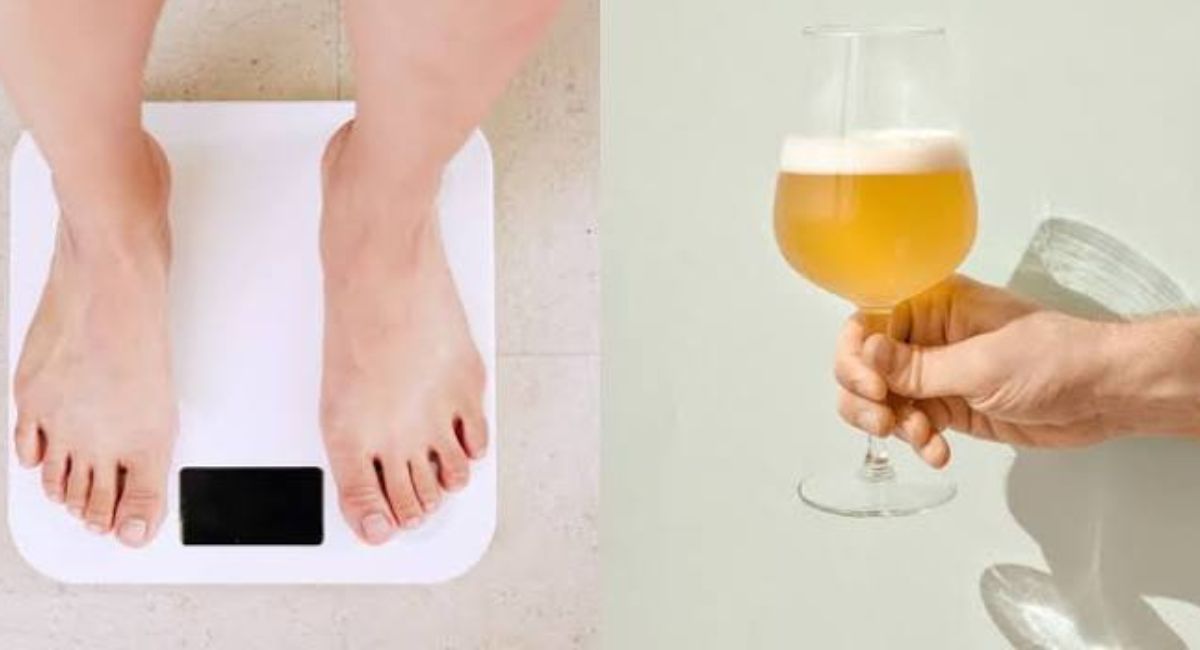
Why Do I Lose Weight When I Drink Alcohol? Understanding the Surprising Connection
Many people notice that the number on the scale drops after a night of drinking and wonder, “Why do I lose weight when I drink alcohol?” While it may seem like alcohol helps with weight loss, the reality is more complicated. Alcohol can cause temporary weight changes by increasing dehydration, reducing water retention, and affecting appetite. However, these short-term changes do not mean you’re losing body fat. Understanding how alcohol affects your body can help you make healthier decisions about weight management.
Wondering why you lose weight when you drink alcohol? Learn how
alcohol affects appetite, hydration, metabolism, and long-term weight management.
Why Do I Lose Weight When I Drink Alcohol?
Most people lose weight when drinking alcohol because:
- Alcohol causes dehydration and temporary water loss.
- Drinking may reduce appetite and lead to eating fewer calories.
- Heavy drinking can cause poor nutrition and nutrient deficiencies.
- Long-term alcohol use may contribute to health conditions that cause unintentional weight loss.
In most cases, the weight loss is temporary and not true fat loss.
Can Drinking Alcohol Really Cause Weight Loss?
Yes, alcohol can sometimes cause weight loss, but it doesn’t usually lead to healthy or permanent fat loss.
Alcohol affects several processes in the body, including:
- Hunger and appetite
- Hydration levels
- Digestion and nutrient absorption
- Eating habits
- Metabolism
These changes can result in temporary or unintended weight loss.
5 Reasons You May Lose Weight When Drinking Alcohol
1. Alcohol Can Reduce Your Appetite
Alcohol affects brain chemicals that control hunger. While some people become hungry after drinking, others lose their appetite completely.
Heavy drinking can:
- Cause nausea
- Make food seem less appealing
- Lead to skipped meals
- Replace nutritious foods with alcohol
If you eat significantly less while drinking, you may lose weight because you’re consuming fewer calories overall.
2. Alcohol Causes Dehydration and Water Loss
One of the most common reasons people weigh less after drinking is dehydration.
Alcohol acts as a diuretic, meaning it increases urination and causes the body to lose fluids.
Signs of dehydration include:
- Dry mouth
- Dizziness
- Headaches
- Increased thirst
- Dark-colored urine
The lower number on the scale is often water weight, not body fat. Once you rehydrate, much of the lost weight usually returns.
3. Heavy Drinking Can Lead to Poor Nutrition
Some people who drink heavily replace meals with alcohol.
Although alcohol contains calories, it provides very few essential nutrients. Over time, this can result in deficiencies in:
- Protein
- Vitamin B12
- Folate
- Magnesium
- Zinc
Poor nutrition can cause:
- Muscle loss
- Fatigue
- Weakness
- Unintentional weight loss
This type of weight loss is unhealthy and may become serious if left untreated.
4. Alcohol Can Affect Digestion and Nutrient Absorption
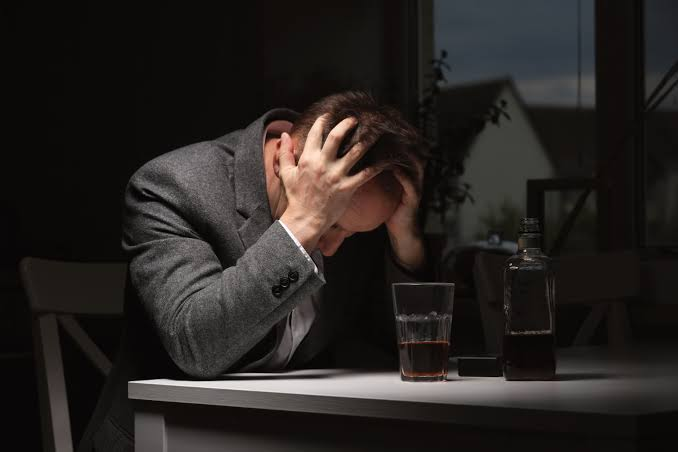
Long-term alcohol use can damage the digestive system and interfere with the body’s ability to absorb nutrients properly.S
Alcohol may:
- Irritate the stomach lining
- Reduce digestive secretions
- Impair nutrient absorption
- Cause digestive problems
When your body doesn’t absorb nutrients efficiently, it may struggle to maintain a healthy weight.
5. Underlying Health Problems May Cause Weight Loss
Significant or unexplained weight loss while drinking heavily can sometimes indicate a serious health issue.
Heavy alcohol use increases the risk of conditions such as:
- Liver disease
- Pancreatitis
- Malnutrition
- Digestive disorders
- Certain cancers
These conditions can reduce appetite and interfere with normal digestion, leading to unintended weight loss.
Does Alcohol Burn Fat?
No. This is one of the biggest myths about alcohol.
Alcohol contains approximately 7 calories per gram, making it the second most calorie-dense nutrient after fat.
When alcohol enters your body, your liver treats it as a toxin and prioritizes breaking it down before burning carbohydrates and fat.
As a result:
- Fat burning temporarily slows down.
- Calories from food are more likely to be stored.
- Alcohol does not improve fat loss.
Weight Loss From Alcohol vs Healthy Fat Loss
| Weight Loss From Alcohol | Healthy Fat Loss |
| Usually water loss | Reduction in body fat |
| Often temporary | More sustainable |
| May indicate health issues | Usually intentional |
| Often caused by poor nutrition | Caused by a calorie deficit |
Losing weight from alcohol is generally not the same as achieving healthy fat loss.
Why Do Some People Gain Weight Instead?

Not everyone loses weight from drinking alcohol.
In fact, many people gain weight because alcohol can:
- Increase appetite
- Lower self-control around food
- Encourage late-night snacking
- Add hundreds of extra calories
- Reduce motivation to exercise
For example:
- A pint of beer may contain 150–250 calories.
- Some cocktails contain more than 400 calories.
Regular drinking combined with unhealthy eating habits often contributes to weight gain.
Is Losing Weight From Alcohol Dangerous?
Usually, yes—especially if the weight loss is unintentional.
Losing weight because of:
- Dehydration
- Skipping meals
- Malnutrition
- Digestive problems
is not considered healthy weight loss.
Healthy weight loss should occur gradually through:
- Balanced eating
- Regular physical activity
- Adequate sleep
- A moderate calorie deficit
When Should You See a Doctor?
Speak with a healthcare professional if you:
- Lose more than 5% of your body weight without trying.
- Experience persistent nausea or vomiting.
- Feel extremely tired or weak.
- Have stomach pain.
- Notice yellowing of the skin or eyes.
- Have ongoing digestive issues.
These symptoms may indicate an underlying medical condition that requires treatment.
How to Drink Alcohol Without Harming Your Weight Goals
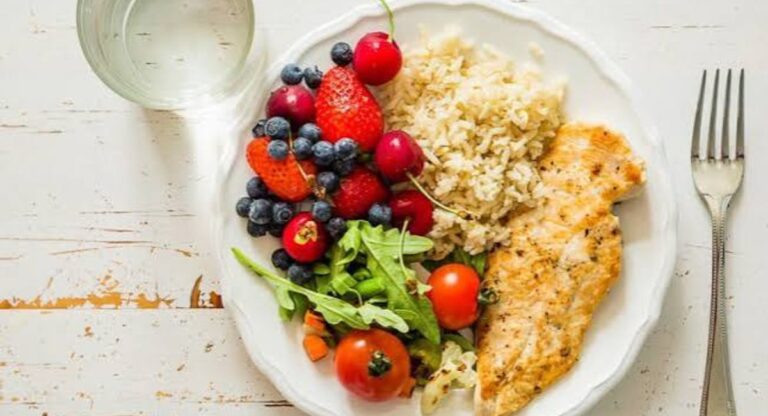
Eat Balanced Meals
Never replace meals with alcohol. Focus on:
- Lean protein
- Fruits
- Vegetables
- Whole grains
Stay Hydrated
Drink water before, during, and after consuming alcohol.
Limit Sugary Drinks
Cocktails and mixed beverages can add significant amounts of sugar and calories.
Practice Moderation
Reducing the amount and frequency of drinking can support both your health and your weight goals.
Monitor Unexplained Changes
Pay attention to sudden or ongoing weight loss and seek medical advice if necessary.
Frequently Asked Questions
1.Why do I weigh less after drinking alcohol?
Most people weigh less because alcohol causes temporary dehydration and water loss.
2.Does alcohol burn body fat?
No. Alcohol actually slows fat burning because the body prioritizes processing alcohol first.
3.Can alcohol cause unhealthy weight loss?
Yes. Heavy drinking can lead to malnutrition, digestive issues, and medical conditions that cause unintended weight loss.
4.Is weight loss from dehydration permanent?
No. Most of the lost weight returns once you rehydrate.
5.Why do alcoholics often lose weight?
Heavy alcohol use can reduce appetite, cause poor nutrition, and lead to health problems that contribute to weight loss.
Final Thoughts
If you’ve been asking, “Why do I lose weight when I drink alcohol?”, the answer usually has more to do with dehydration, reduced food intake, poor nutrition, or underlying health issues than actual fat loss.
While temporary weight loss after drinking may seem appealing, it isn’t necessarily a sign of better health. In some cases, unexplained weight loss can indicate nutritional deficiencies or serious medical conditions.
The healthiest approach is to drink in moderation, eat balanced meals, stay hydrated, and pay attention to unexpected changes in your body. If your weight loss is significant or persistent, speaking with a healthcare professional can help identify the underlying cause.