When You Lose Weight, Where Does It Go? The Complete Science of Fat Loss
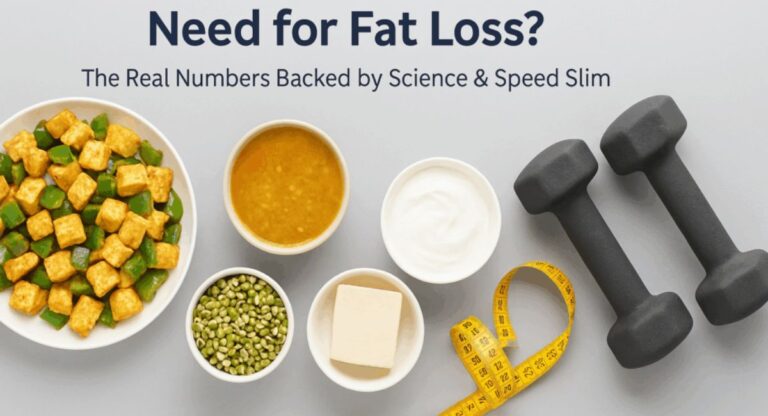
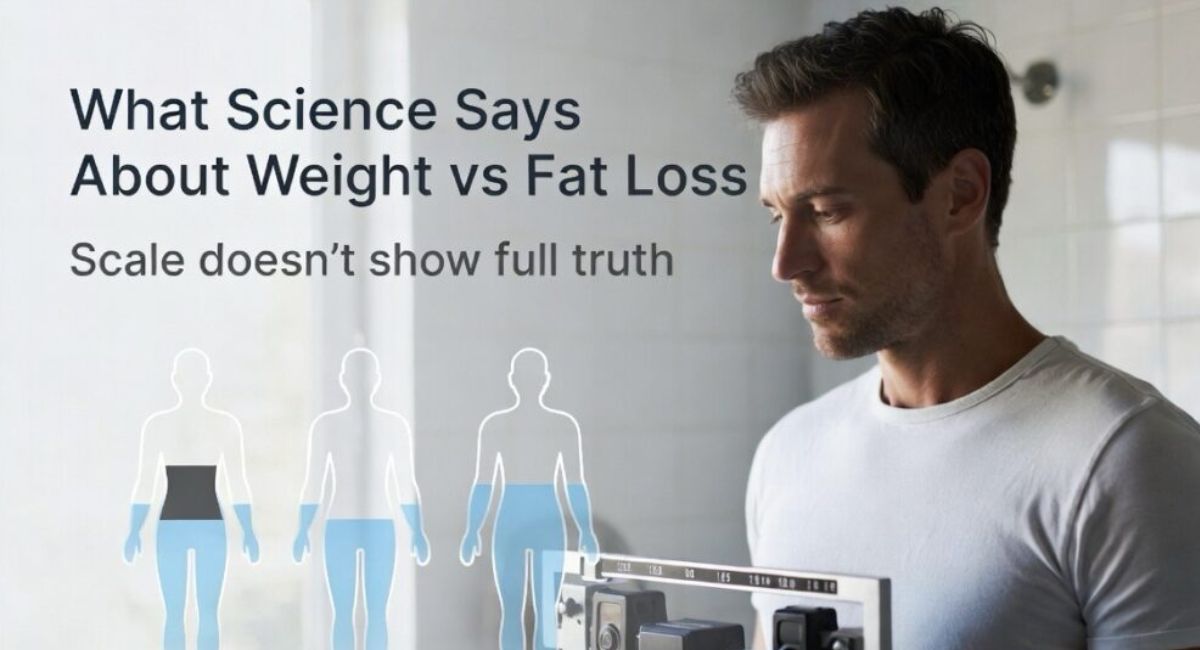
Many people want to lose weight, but few know what happens to body fat after it’s burned. A common myth is that fat turns into muscle or simply disappears. In reality, your body breaks down stored fat into carbon dioxide and water through metabolism. Most of the fat leaves your body through breathing, while the rest is removed through urine, sweat, and other natural processes. Understanding this can help you focus on healthy, sustainable weight loss.
What is body fat, and when you lose weight, where does it go? Learn how your body burns fat, where it goes, and the science behind healthy weight loss.
What Is Body Fat?
Body fat is your body’s energy reserve. When you consume more calories than your body needs, the excess energy is stored inside fat cells as triglycerides.
These triglycerides contain:
- Carbon
- Hydrogen
- Oxygen
Your body uses these stored compounds whenever it needs additional energy.
Why Does the Body Store Fat?
Fat is essential for:
- Energy storage
- Hormone production
- Organ protection
- Temperature regulation
- Nutrient absorption
While some body fat is necessary for health, excess fat can increase the risk of chronic diseases.
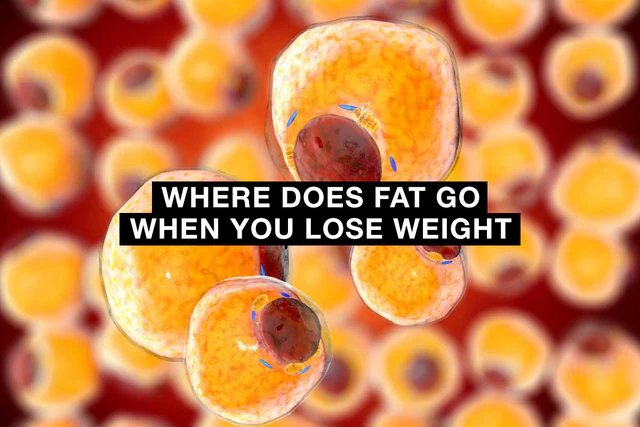
When You Lose Weight, Where Does Fat Go?
The simple answer is:
Most fat leaves your body through your lungs.
As fat is broken down, your body converts it into:
- Carbon dioxide (CO₂)
- Water (H₂O)
Research suggests that approximately:
- 84% leaves through breathing
- 16% leaves as water
This means your lungs are the primary organ responsible for fat removal.
The Science Behind Fat Loss
Step 1: Creating a Calorie Deficit
Fat loss begins when you consistently burn more calories than you consume.
This is known as a calorie deficit.
Step 2: Stored Fat Is Released
Your fat cells release triglycerides which are broken into:
- Fatty acids
- Glycerol
These molecules enter your bloodstream.
Step 3: Fat Oxidation Begins
Your cells use oxygen to break down fatty acids and generate energy.
This process is called fat oxidation.
Step 4: Fat Leaves the Body
The waste products are:
- Carbon dioxide
- Water
Carbon dioxide leaves through breathing while water leaves through sweat, urine, and other bodily fluids.
What Happens Inside Your Body During Weight Loss?
Weight loss affects much more than body fat.
Liver
Your liver becomes more efficient at processing fats and regulating blood sugar.
Heart and Blood Vessels
Blood pressure often improves, and cardiovascular function becomes more efficient.
Hormones
Insulin sensitivity improves, helping your body manage blood sugar more effectively.
Brain
Many people experience improved focus, mood, and energy levels as overall health improves.
Do Fat Cells Disappear After Weight Loss?
No.
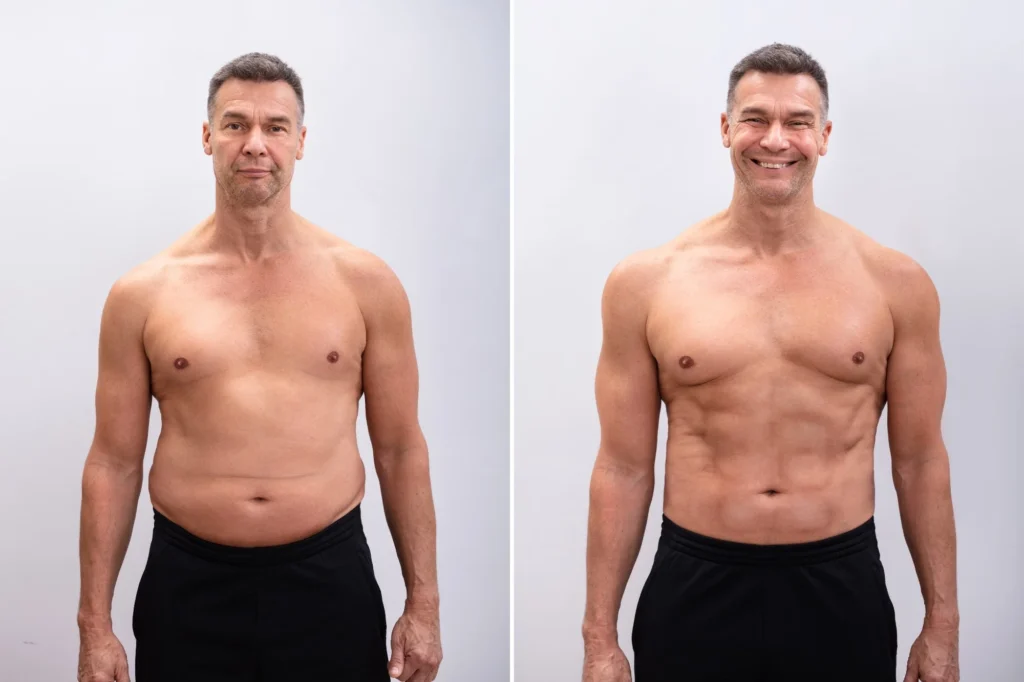
Fat cells usually remain in the body.
Instead, they shrink significantly as stored fat is used for energy.
This is one reason weight regain can happen if calorie intake increases again.
Why Is It Easy to Regain Lost Weight?
Your body naturally tries to maintain its weight.
Leptin Decreases
Leptin is the hormone that helps you feel full.
When fat cells shrink, leptin levels often fall, increasing hunger.
Ghrelin Increases
Ghrelin is known as the hunger hormone.
Weight loss can increase ghrelin levels, making you feel hungrier.
These biological responses can make long-term weight maintenance challenging.
Does Fat Turn Into Muscle?
No.
Fat and muscle are completely different tissues.
Fat cannot become muscle, and muscle cannot become fat.
What actually happens is:
- Fat cells shrink
- Muscle fibers grow through exercise
These changes may occur at the same time, creating the illusion that fat is turning into muscle.
Do You Sweat Out Fat?
Not directly.
Sweat mainly removes water and helps regulate body temperature.
Although some water produced during fat metabolism leaves through sweat, sweating itself is not a sign of fat loss.
Do You Pee Out Fat?
Not exactly.
Fat itself is not excreted in urine.
However, some of the water produced during fat metabolism leaves the body through urination.
Common Myths About Fat Loss
Myth #1: Fat Turns Into Muscle
False. Fat and muscle are separate tissues.
Myth #2: Sweating Burns Fat
False. Sweating mainly causes water loss.
Myth #3: Detoxes Melt Fat Away
False. Fat loss requires a calorie deficit and consistent habits.
Myth #4: Fat Leaves Through Bowel Movements
False. Most fat leaves through breathing.
How Long Does It Take to Notice Fat Loss?
The timeline depends on:
- Starting weight
- Calorie deficit
- Exercise routine
- Age
- Genetics
- Hormonal health
Most experts recommend losing:
1–2 pounds per week
This rate is generally considered healthy and sustainable.
Best Ways to Encourage Healthy Fat Loss

Maintain a Moderate Calorie Deficit
Avoid extreme dieting and focus on consistency.
Prioritize Protein
Protein supports muscle retention and helps control hunger.
Strength Training
Resistance training helps preserve muscle while losing fat.
Cardio Exercise
Walking, cycling, swimming, and running increase calorie expenditure.
Get Quality Sleep
Aim for 7–9 hours of sleep per night.
Manage Stress
Chronic stress can increase cravings and make weight management more difficult.
The Real Secret Behind Fat Loss
There is no magic supplement, detox tea, or sweat suit that eliminates body fat.
Successful fat loss comes from:
- Consistent calorie deficit
- Balanced nutrition
- Regular exercise
- Adequate sleep
- Stress management
- Patience
When these habits are maintained, your body naturally converts stored fat into carbon dioxide and water and gradually eliminates it over time..
FAQs
1.Where does fat go when you lose weight?
Most fat is converted into carbon dioxide and exhaled through the lungs, while the rest leaves as water.
2.Do you breathe out fat?
Yes. Most fat loss occurs through carbon dioxide that leaves the body when you exhale.
3.Can fat turn into muscle?
No. Fat and muscle are separate tissues and cannot transform into each other.
4.Do you sweat out fat?
Sweat removes water, not body fat itself.
5.What is the healthiest rate of weight loss?
Most experts recommend losing 1–2 pounds per week for sustainable results.
Conclusion
In conclusion, body fat does not simply disappear when you lose weight. Through metabolism, stored fat is converted into carbon dioxide and water. Most of it leaves your body through breathing, while the rest is expelled through urine, sweat, and other natural processes. Understanding how fat loss works helps separate facts from myths and encourages healthy habits that support sustainable, long-term weight manageme