
Free Walking Calculator to Lose Weight Calculate Calories Burned and Reach Your Goals
Losing weight doesn’t have to involve expensive gym memberships or intense workout programs. Sometimes, the simplest activities produce the best results. Walking is one of the easiest, safest, and most sustainable ways to burn calories and improve overall health.
A free walking calculator to lose weight helps you estimate how many calories you burn while walking and how long it may take to reach your weight-loss goals. Instead of guessing whether you’re doing enough exercise, the calculator gives you a personalized estimate based on your body weight, walking speed, and activity level.
Whether your goal is to lose 5 pounds or completely transform your lifestyle, using a walking calculator can help you stay motivated and create a realistic plan.
Use our free walking calculator to lose weight, estimate calories burned, set realistic goals, and create a personalized walking plan for healthy weight loss.
What Is a Free Walking Calculator to Lose Weight?
A walking weight-loss calculator is an online tool designed to estimate:
- Calories burned during walking
- Distance covered
- Walking pace and speed
- Daily calorie deficit
- Estimated weight loss over time
- Recommended activity levels
Most calculators ask for information such as:
- Age
- Gender
- Height
- Weight
- Walking speed
- Duration of exercise
- Daily step count
Using this information, the calculator provides personalized estimates that can help you make better fitness decisions.
How Does a Walking Weight Loss Calculator Work?
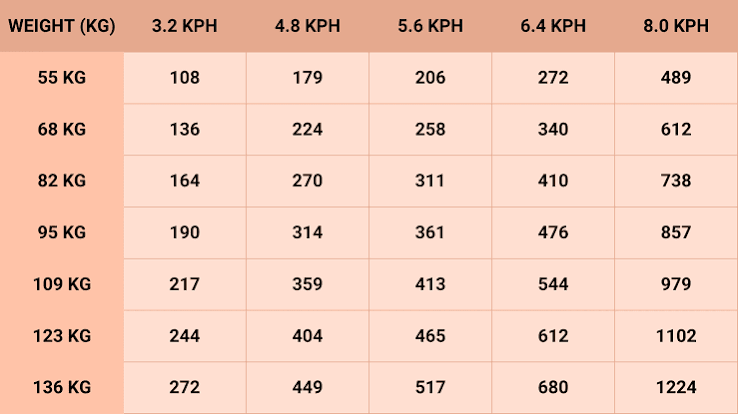
Walking calculators use scientific formulas called Metabolic Equivalents (METs) to estimate calorie expenditure.
Several factors influence how many calories you burn while walking.
1. Body Weight
People who weigh more generally burn more calories because their bodies require more energy to move.
2. Walking Speed
A brisk walk burns significantly more calories than a slow stroll.
3. Distance Walked
The farther you walk, the more calories you burn.
4. Terrain and Incline
Walking uphill or on uneven surfaces increases energy expenditure and activates more muscles.
5. Age and Gender
Metabolism naturally changes with age, and body composition can influence calorie-burning rates.
Why Use a Walking Calculator for Weight Loss?
Many people walk regularly but have no idea whether they’re burning enough calories to lose weight.
A walking calculator helps you:
Set Realistic Goals
Instead of guessing, you’ll know approximately how much walking is required to achieve your target weight.
Stay Motivated
Tracking progress in numbers makes it easier to stay consistent.
Understand Your Calorie Burn
Knowing how many calories you burn can help you make better dietary choices.
Create a Personalized Plan
The calculator provides recommendations based on your body measurements and activity level.
How Many Calories Does Walking Burn?

The number of calories burned depends on your weight, speed, and duration of exercise.
Calories Burned During a 30-Minute Walk
| Body Weight | Calories Burned |
| 125 lbs (57 kg) | 120 calories |
| 155 lbs (70 kg) | 150 calories |
| 185 lbs (84 kg) | 180 calories |
| 215 lbs (98 kg) | 210 calories |
Calories Burned During a 60-Minute Walk
| Body Weight | Calories Burned |
| 125 lbs (57 kg) | 240 calories |
| 155 lbs (70 kg) | 300 calories |
| 185 lbs (84 kg) | 360 calories |
| 215 lbs (98 kg) | 420 calories |
How Many Calories Do 10,000 Steps Burn?
Walking 10,000 steps is a popular goal because it significantly increases daily activity levels.
| Weight | Calories Burned |
| 125 lbs (57 kg) | 280–320 calories |
| 155 lbs (70 kg) | 350–420 calories |
| 185 lbs (84 kg) | 450–550 calories |
| 215 lbs (98 kg) | 500–650 calories |
The exact number depends on walking pace and individual factors.
Can Walking Really Help You Lose Weight?
Yes. Walking can be an effective weight-loss tool because it helps create a calorie deficit.
To lose one pound of body fat, you generally need a calorie deficit of approximately 3,500 calories.
For example:
- Burning an extra 300 calories per day through walking can lead to approximately one pound of weight loss every 12 days if your eating habits remain the same.
The key is consistency.
Benefits of Walking for Weight Loss
Walking offers much more than calorie burning.
Low-Impact Exercise
Walking is gentle on the joints and suitable for nearly all fitness levels.
Improves Heart Health
Regular walking supports healthy blood pressure and cardiovascular function.
Reduces Stress
Walking can improve mood and reduce anxiety.
Supports Mental Well-Being
Physical activity releases endorphins that promote positive feelings.
Helps Maintain Weight Loss
Walking is easier to sustain long-term than many high-intensity exercise programs.
Increases Daily Calorie Burn
Even short walks can significantly increase your total energy expenditure.
How Much Walking Do You Need to Lose Weight?
The amount of walking needed depends on your goals.
For Beginners
- Walk 30 minutes daily.
- Five days per week.
- Moderate pace.
For Faster Weight Loss
- Walk 45–60 minutes daily.
- Five to six days per week.
- Brisk pace.
For Weight Maintenance
- At least 150 minutes of walking every week.
Consistency matters more than perfection.
How Long Does It Take to Lose Weight by Walking?
Weight loss varies depending on calorie intake, metabolism, and activity level.
| Weight Loss Goal | Estimated Time |
| Lose 5 pounds | 5–10 weeks |
| Lose 10 pounds | 10–20 weeks |
| Lose 20 pounds | 5–10 months |
| Lose 30 pounds | 8–15 months |
Healthy weight loss is usually around 1–2 pounds per week.
How to Use a Free Walking Calculator
1: Enter Your Weight
Your weight determines how many calories your body uses during activity.
2: Add Your Height and Age
These factors affect metabolism.
3: Choose Your Walking Speed
Select your average pace.
4: Enter Duration or Distance
Add how long or how far you plan to walk.
5: View Your Results
The calculator estimates:
- Calories burned
- Potential weight loss
- Daily calorie deficit
- Time needed to reach your goal
Best Walking Speeds for Weight Loss
| Walking Speed | Intensity |
| 2 mph | Easy |
| 3 mph | Moderate |
| 4 mph | Brisk |
| 4.5+ mph | Power Walking |
Brisk walking generally burns more calories and improves cardiovascular fitness.
Tips to Burn More Calories While Walking
Walk Faster
Increasing your pace increases calorie burn.
Add Hills or Inclines
Incline walking works more muscles.
Increase Daily Steps
Aim for 8,000–10,000 steps or more.
Walk After Meals
A short walk after eating may support blood sugar control.
Use Hand Weights Carefully
Light resistance can increase exercise intensity.
Combine Walking With Strength Training
Building muscle supports a healthier metabolism.
Follow a Healthy Diet
Nutrition plays a major role in successful weight loss.
Common Mistakes When Using a Walking Calculator

Expecting Instant Results
Healthy weight loss takes time.
Ignoring Food Intake
You can easily eat back the calories you burn.
Overestimating Calorie Burn
Calculators provide estimates rather than exact numbers.
Walking Inconsistently
Regular activity is essential for long-term success.
Walking vs Running for Weight Loss
| Factor | Walking | Running |
| Calories Burned | Moderate | High |
| Joint Impact | Low | Higher |
| Injury Risk | Lower | Higher |
| Beginner Friendly | Excellent | Moderate |
| Long-Term Sustainability | Excellent | Good |
For many people, walking is easier to maintain consistently, making it an excellent long-term strategy.
Beginner 6-Week Walking Plan
Weeks 1–2
- Walk 20 minutes daily.
- Five days per week.
Weeks 3–4
- Increase to 30 minutes.
- Add a brisk pace.
Weeks 5–6
- Walk 45 minutes.
- Include hills or incline walking.
This gradual progression helps improve fitness while reducing the risk of burnout.
Frequently Asked Questions
1.Is a walking calculator accurate?
It provides an estimate based on your personal information and activity level.
2.How many steps should I walk daily to lose weight?
Most people benefit from walking 8,000–10,000 steps per day.
3.Can I lose belly fat by walking?
Walking helps reduce overall body fat, including abdominal fat, when combined with a calorie deficit.
4.Is walking every day safe?
For most healthy adults, daily walking is a safe and effective form of exercise.
5.How much weight can I lose by walking every day?
Results vary depending on diet, consistency, and walking intensity.
6.Is brisk walking better for weight loss?
Yes. Brisk walking burns more calories and can improve cardiovascular health.
Final Thoughts
A free walking calculator to lose weight is a valuable tool for setting realistic fitness goals and tracking progress. By estimating calories burned and potential weight loss, it can help you create a personalized plan that fits your lifestyle.
Walking may seem simple, but when practiced consistently, it can become one of the most effective habits for improving health, increasing fitness, and achieving long-term weight-loss success.
Related post